
 English
  German
  Spanish
  Italian
  Russian
  Arabic
  Korean
  Japanese
  French
  Dutch
Dutch  Danish
  Norwegian
  Portuguese
  Turkish
  Czech
Czech  Lithuanian
  Polish
  Slovenian
 The 6 Most Common Tolerance Mistakes Mechanical Engineers Make—and How to Fix Them
Table of Contents

Engineering tolerances guide every manufactured part. They define how much size, shape, angle, or position may vary while a part still works well. In liquid silicone rubber lsr injection molding machine projects, smart tolerance planning often cuts scrap, speeds tooling, and lowers unit price.
Many engineers focus on design strength or appearance first. Yet tolerance choices often decide whether a product launches smoothly or burns budget fast. Even a tiny over-callout can trigger slower machining, mold rework, extra inspection, or assembly jams.
This guide explains common tolerance errors and shows practical fixes. If you build molded seals, medical parts, electronics covers, or precision assemblies, these points matter.
What Are Engineering Tolerances?
A tolerance sets acceptable variation from nominal dimensions. No process makes every part exactly same size. Variation always exists.
Examples include:
• Hole diameter ±0.05 mm
• Flatness 0.10 mm
• Position 0.08 mm
• Surface finish Ra 0.8 µm
Without limits, suppliers guess. With poor limits, cost climbs sharply.
For molded silicone parts, tolerances depend on:
• Material shrink rate
• Mold precision
• Cure stability
• Tool wear
• Temperature control
• Post-cure change
• Measurement method
That is why early supplier input helps.
Why Tolerances Drive Cost, Quality, and Yield
Tighter tolerances usually need slower production. They may also need premium tooling, stable machines, skilled setup staff, and more inspection time.
Loose tolerances may lower cost. However, if too loose, leaks, noise, vibration, poor fit, or cosmetic gaps may appear.
So best practice means matching tolerance with function.
In liquid silicone rubber lsr injection molding machine programs, proper tolerance planning can improve:
• Mold cavity balance
• Flash control
• Assembly fit
• Compression sealing
• Repeatability
• Final yield
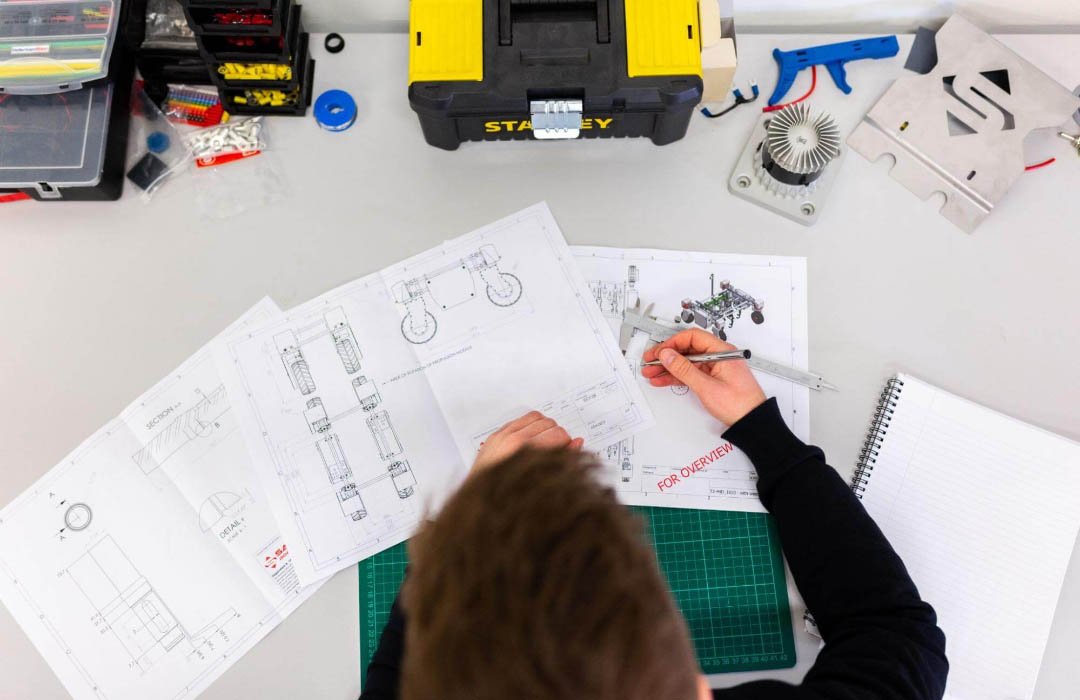
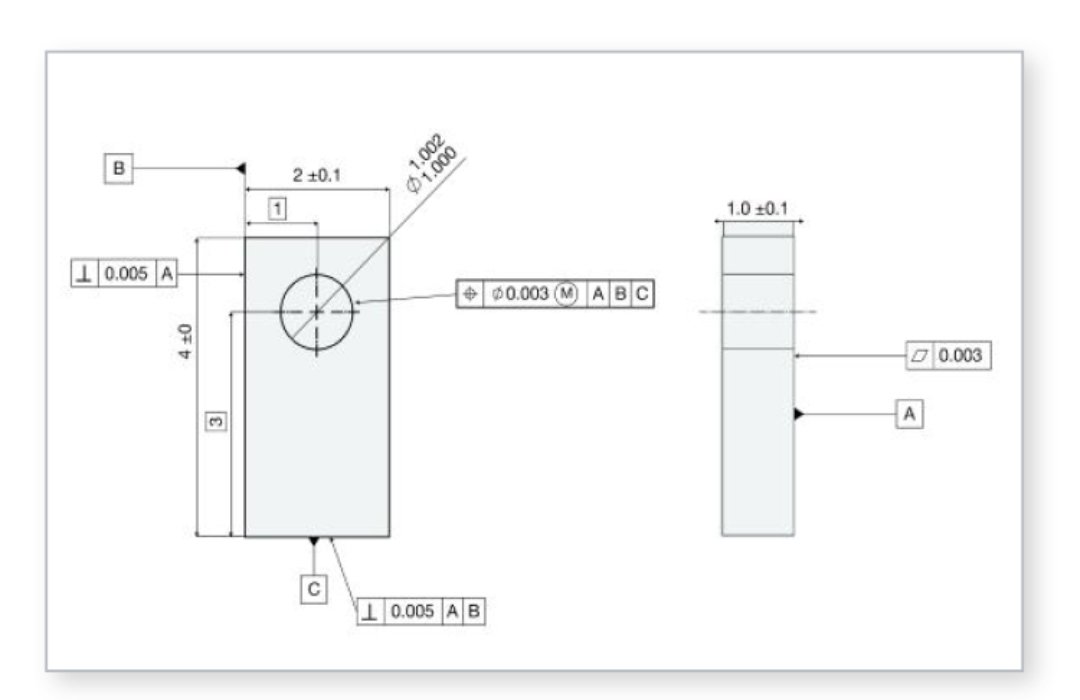
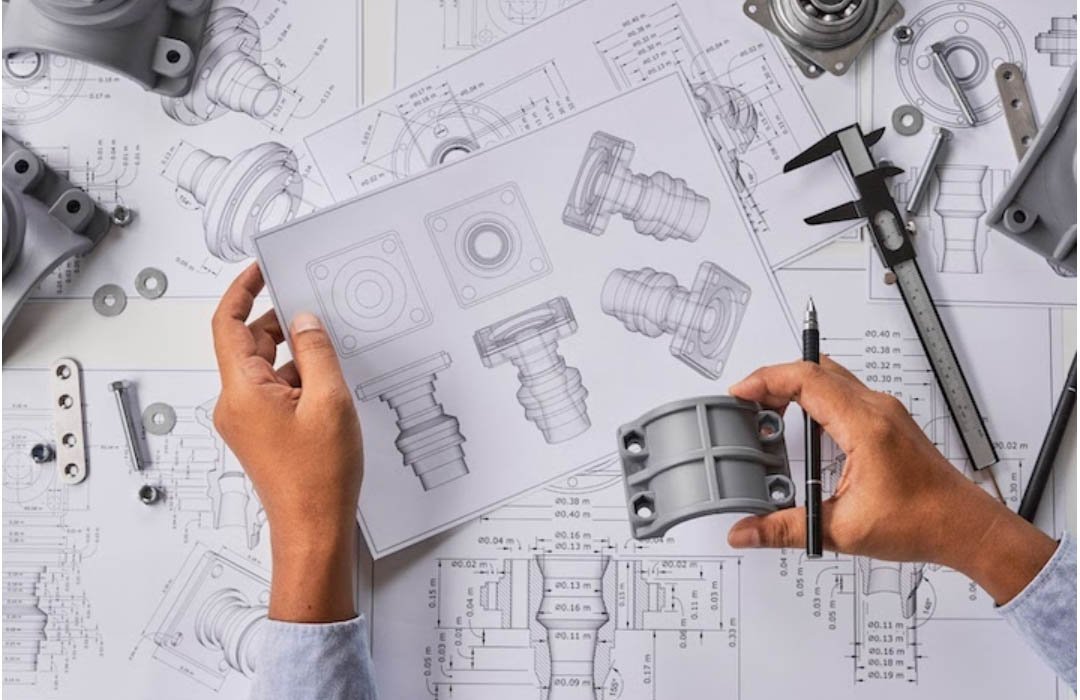
The 6 Most Common Tolerance Mistakes Engineers Make
Applying Tight Tolerances Everywhere
Some drawings show ±0.01 mm on nearly every feature. That rarely adds value.
Non-critical surfaces often need wider bands. Save tight limits for sealing lips, snap fits, optical faces, or mating geometry.
Fix:
Rank features by function:
• Critical
• Important
• Cosmetic
• Reference only
Then tighten only what matters.
Ignoring Process Capability
Every process has natural limits. CNC milling differs from stamping. Compression molding differs from LSR injection.
If drawing demands impossible numbers, delays follow.
Fix:
Ask supplier for realistic Cp/Cpk capability data before release. Then align design with process reality.
Missing GD&T on Functional Features
Simple plus/minus dimensions cannot fully control location, concentricity, or flatness in many assemblies.
Fix:
Use GD&T where needed:
• Position for hole patterns
• Flatness for sealing pads
• Perpendicularity for shafts
• Profile for molded contours
This often improves clarity and lowers disputes.
Stacking Too Many Dimensions
Long chains of dimensions create cumulative error. A final feature may drift badly though each step passed.
Fix:
Dimension from shared datums instead of chaining feature after feature.
This improves repeatability fast.
Forgetting Material Behavior
Metal expands with heat. Plastics creep. Silicone compresses and rebounds.
Designers sometimes copy metal tolerances onto elastomer parts. That causes trouble.
Fix:
For silicone parts, define working-state dimensions when compressed or assembled if function depends on load.
No Inspection Strategy
A tolerance without measurement method invites chaos. Two teams may measure same feature differently.
Fix:
State gauge type, datum setup, sampling plan, and inspection condition early.
How to Choose the Right Tolerance
Start with function first. Ask one question:
What failure happens if this feature moves?
Then choose tolerance based on risk.
Good framework:
• Sealing surfaces = tighter
• Hidden cosmetic walls = wider
• Non-mating bosses = wider
• Bearing fits = tighter
• Soft silicone lips = functional range based
Also compare annual volume. High-volume tools justify precision upgrades more easily than low-volume pilots.
Tolerance Tips for Silicone Molding Projects
Silicone behaves unlike rigid resin. It flexes, shrinks, and may slightly vary after cure.
For liquid silicone rubber lsr injection molding machine production, use these habits:
• Keep wall thickness balanced
• Avoid sharp thin flash-prone edges
• Add shutoff support zones
• Design clean parting lines
• Use realistic draft where needed
• Confirm post-cure dimensional change
When seals matter, test assembled performance rather than dimension alone.
How Tolerance Choices Affect Tooling Cost
A tighter drawing often means:
• Higher mold steel precision
• Better vent design
• More polishing hours
• Additional cavity tuning
• Longer sampling stage
• More QA checks
Therefore, relaxing one non-critical feature may save thousands.
This matters greatly in multi-cavity silicone programs.
How xflsrmolding Helps Reduce Tolerance Risk
xflsrmolding supports custom silicone and LSR projects with DFM review before tooling starts. Our team checks wall balance, parting lines, shrink behavior, venting, and realistic tolerance targets.
That early review helps buyers avoid costly redesigns later.
For brands sourcing liquid silicone rubber lsr injection molding machine components, fast communication and drawing feedback can shorten launch time.
FAQ
What happens if tolerances are too tight?
Costs rise fast. Scrap risk grows. Lead times often stretch.
Are tighter tolerances always better?
No. Best tolerance matches product function and process capability.
Why do silicone parts need special tolerance planning?
Silicone can flex, shrink, and react differently than metal or hard plastic.
Can tolerance changes lower mold price?
Yes. Reducing unnecessary precision often cuts tooling complexity.
Should I use GD&T for molded parts?
Yes, when feature location or profile controls function.
Final Thoughts
Great engineers do not chase smallest numbers. They choose smartest numbers.
When tolerances match real function, production becomes smoother, yield improves, and cost stays sane. That rule applies strongly in every liquid silicone rubber lsr injection molding machine project.
If you need help reviewing silicone part drawings, xflsrmolding can support manufacturable tolerance planning before tooling begins.