
 Arabic
  English
  German
  Spanish
  Italian
  Russian
  Korean
  Japanese
  French
  Dutch
Dutch  Danish
  Norwegian
  Portuguese
  Turkish
  Czech
Czech  Lithuanian
  Polish
  Slovenian
 المدونة
- الصفحة الرئيسية
- المدونة
- Clean Room LSR Injection Molding Design Mistakes
Why Clean Room LSR Injection Molding Fails When You Apply Thermoplastic Mold Logic
جدول المحتويات
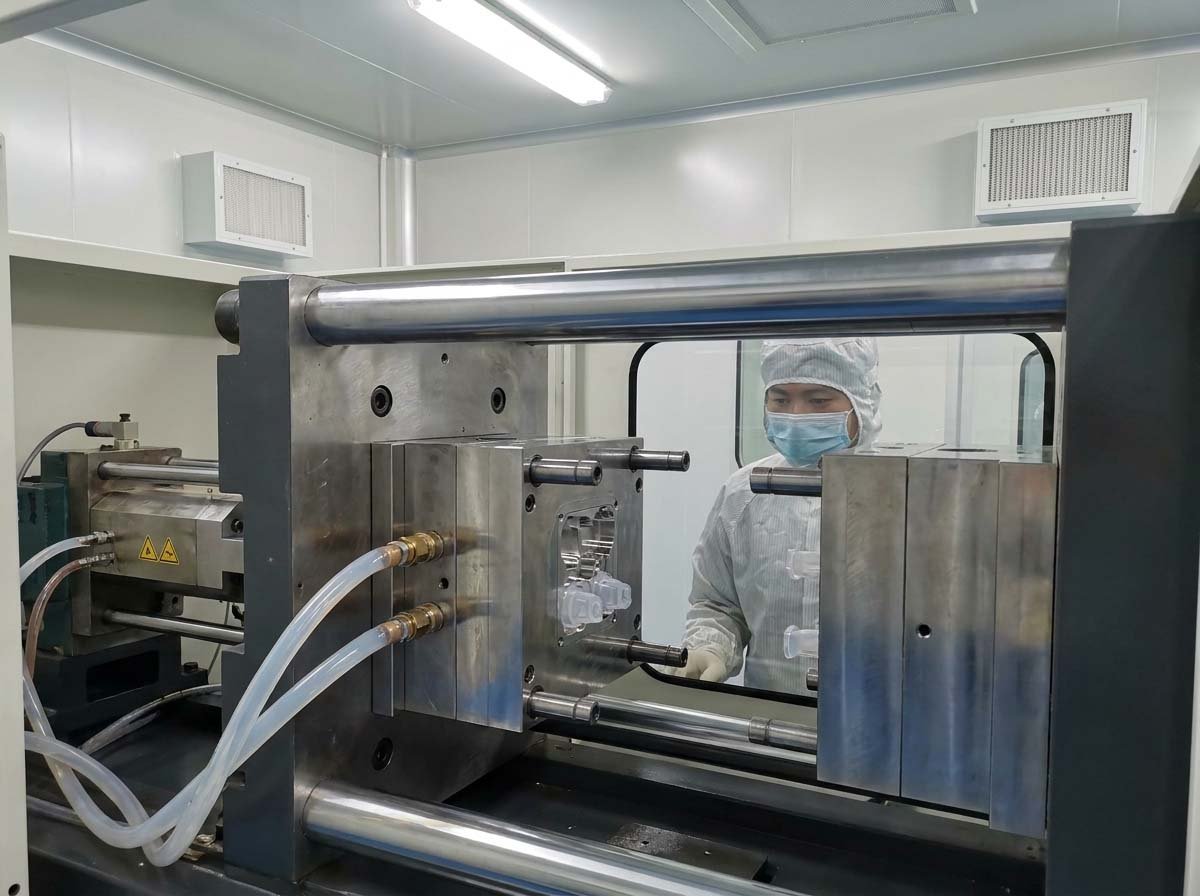
– LSR cures with heat. Thermoplastic logic that cools to solidify produces short shots, flash, and scrap.
– Cold runner temperature control is the opposite of hot runner design. Get it wrong and material cures before reaching the cavity.
– LSR near-water viscosity means flash control demands micro vents, vacuum assist, and parting line precision that thermoplastics do not need.
– Dimensional stability in medical LSR molding requires compensation for directional shrinkage and post-cure change, not the cooling-shrinkage math thermoplastics use.
A medical device company transferred an existing thermoplastic design into an LSR mold project. The tooling looked correct on paper. But during first sampling, flash appeared on every cavity. Dimensional variation drifted shot-to-shot. Pilot validation failed.
We see this issue often during mold transfer projects. The root cause is rarely the mold steel or the press. It is the logic.
Engineers apply thermoplastic molding assumptions to liquid silicone rubber projects. And LSR punishes every one of those assumptions.
Clean room LSR injection molding fails when engineers treat it as thermoplastic molding with a different material. LSR cures with heat instead of cooling to solidify. That single difference means every mold design assumption, runner temperature, vent depth, shrinkage compensation, must be rebuilt from scratch.
Why Clean Room LSR Injection Molding Requires a Different Mold Design Strategy
We see this pattern regularly. A mold designer with fifteen years of thermoplastic experience takes on an LSR project. The tooling geometry looks familiar. The gate placement follows standard practice. Then first samples come back wrong.
The problem starts with temperature. Thermoplastic molds cool material to freeze it solid. Mold temperatures stay below 170 degrees Fahrenheit. LSR molds heat material to cure it, running between 320 and 420 degrees Fahrenheit. That is not a small adjustment. It is a complete reversal of thermal strategy.
When mold temperature is not managed for curing, when someone builds a mold thinking cooling channels instead of heating control, the material cures unevenly. You get short shots where it cures too fast in thin sections. You get scrap from premature crosslinking. Many failures begin long before first sampling, right at the mold design stage.
Related Articles:
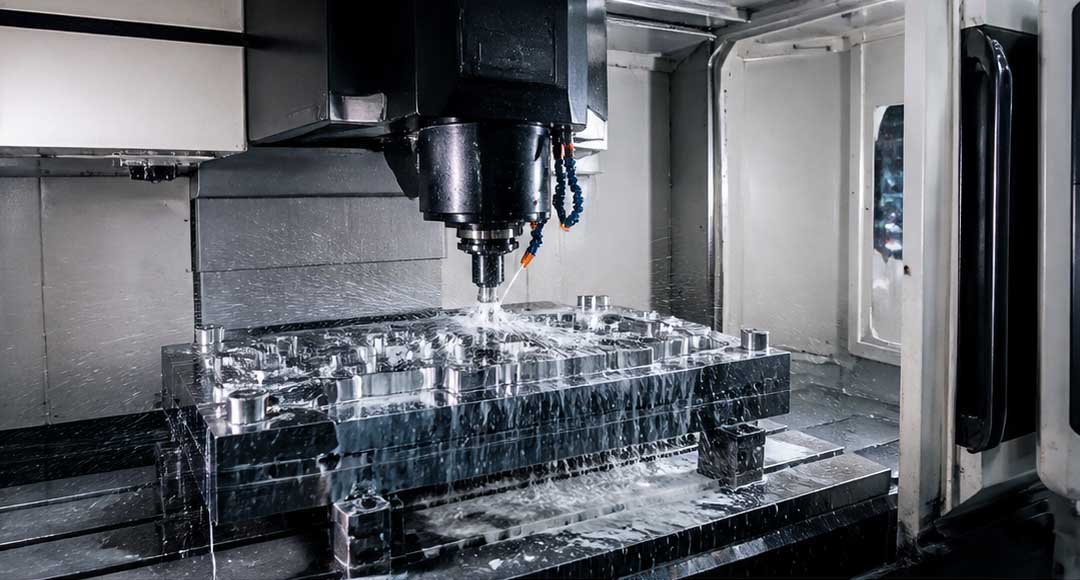
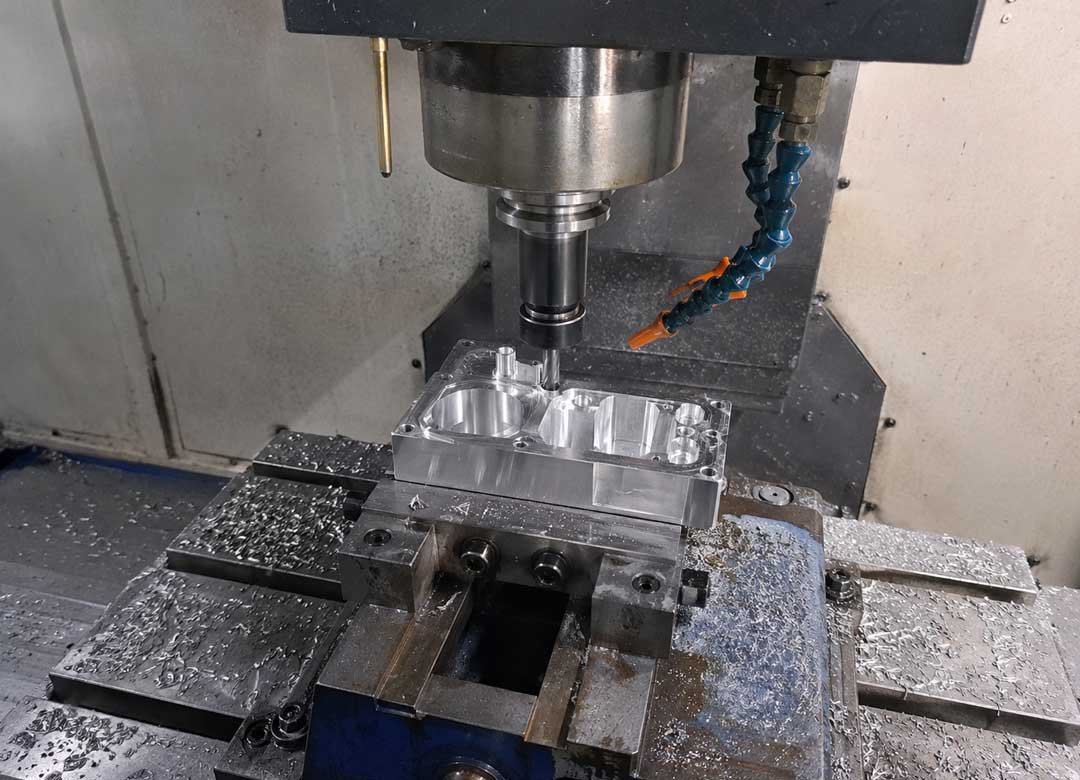
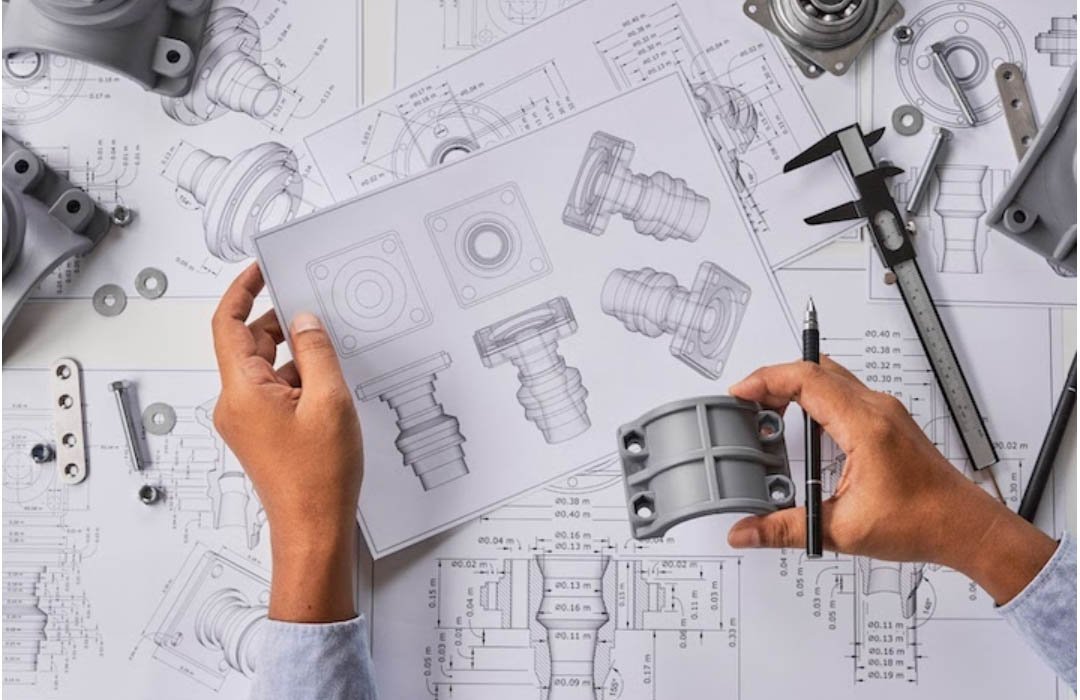
Clean Room LSR Injection Molding and Cold Runner Temperature Control
Material that cures before it enters the cavity is worthless. Yet that is exactly what happens when cold runner temperature control is treated as an afterthought.
Thermoplastics use hot runners to keep material molten between shots. LSR uses cold runners to keep material cool. The two-part compound starts curing the moment it is mixed, and heat accelerates that reaction. A cold runner system in clean room LSR injection molding must maintain stable, low temperature from the metering unit through to the gate. If the cold runner drifts, material crosslinks inside the runner channels.
Consequences are expensive. Blocked runners mean complete disassembly and cleaning. Material waste climbs. Production downtime stretches into days. Experienced mold builders address this with closed-loop temperature monitoring on every runner circuit and proper thermal isolation between the cold deck and the heated cavity plate. That sounds simple but LSR behaves very differently, and a 5-degree drift can shut you down.
Why Flash Control Becomes Critical in Clean Room LSR Injection Molding
A lot of engineers underestimate how far LSR will flow into a gap.
LSR at injection temperature has viscosity closer to water than to molten thermoplastic. It finds parting line gaps that thermoplastics ignore. Even a 0.005mm clearance becomes a flash path. In medical device clean room LSR injection molding, flash is not just cosmetic. It is a validation failure.
Controlling flash requires three things that thermoplastic mold design rarely prioritizes. First, parting line surfaces must be ground and lapped to tolerances tighter than standard mold shop practice. Second, micro vents, channels under 0.02mm deep, must evacuate air without allowing material escape. Third, vacuum-assisted molding pulls the cavity to negative pressure before injection, eliminating air traps that cause burn marks and incomplete fill.
When flash control is not designed in from the start, the part needs secondary trimming. That adds labor. In a cleanroom environment, trimming also introduces particulate contamination risk, exactly what medical manufacturers cannot accept.
Dimensional Stability Challenges in Medical Clean Room LSR Injection Molding
Parts come out of the mold looking fine. Then they go through post-cure and fail the dimensional inspection.
That scenario plays out because LSR shrinkage does not behave like thermoplastic shrinkage. Thermoplastics shrink as they cool. Mold compensation uses a linear factor based on material data sheets. LSR undergoes directional shrinkage driven by flow orientation during injection, followed by additional dimensional change during post-cure. The two effects compound.
Holding pressure in clean room LSR injection molding serves a different purpose than in thermoplastics. Instead of counteracting cooling shrinkage, holding pressure prevents the material from being pushed back out of the cavity during thermal expansion as it cures. Tiny variations, as little as 25 PSI in hold profile, determine whether you get an acceptable part, a short, or flash.
Mold compensation for LSR requires understanding how the material will move in all three axes, not just applying a single shrink factor. Skip this step and finished parts fail tolerance requirements. Assembly issues follow. Product launch gets delayed.
How xflsrmolding Solves Clean Room LSR Injection Molding Challenges
Finding a supplier that can deliver repeatable medical-grade production is harder than it should be. Many molders run a few LSR jobs on converted thermoplastic presses without the tooling discipline the material demands.
سفلزرمولدنج approaches clean room LSR injection molding differently. Cold runner systems run with closed-loop temperature control. Mold parting lines are precision-ground for flash-free molding. Vacuum-assisted systems evacuate cavities before every shot. Process validation follows IQ/OQ/PQ protocols with in-process inspection at defined intervals.
The result is not magic. It is what happens when mold design starts from LSR actual behavior instead of assuming it behaves like a thermoplastic. Reduced flash. Dimensionally stable parts that survive post-cure inspection. Higher first-pass yield. Faster qualification timelines.
No overselling. Just the way experienced mold builders work.
الأسئلة الشائعة
1. Why cannot I use my thermoplastic mold design for LSR injection molding?
Thermoplastic molds cool material to solidify it. LSR molds heat material to cure it, typically 320 to 420 degrees Fahrenheit. The entire temperature strategy reverses. Runner systems, vent design, shrinkage compensation, and parting line tolerances all differ because LSR is a thermoset with near-water viscosity, not a melt-and-cool thermoplastic.
2. What causes flash in clean room LSR injection molding?
LSR extremely low viscosity allows it to penetrate gaps as small as 0.005mm along the parting line. Inadequate parting line precision, insufficient vent design, and lack of vacuum assist are the three most common causes. Standard thermoplastic vent depths are too large for LSR. Micro vents under 0.02mm are required.
3. How does cold runner temperature control differ from hot runner systems?
Cold runners keep LSR cool to prevent curing before the material reaches the heated mold cavity. Hot runners do the opposite, they keep thermoplastic molten between shots. If a cold runner drifts above target temperature, the mixed LSR compound begins crosslinking inside the runner, requiring complete disassembly and cleaning.
4. Why do my LSR parts fail dimensional inspection after molding?
LSR undergoes directional shrinkage during curing, plus additional dimensional change during post-cure. Simple linear shrink factors borrowed from thermoplastic data sheets do not account for this. Proper LSR mold compensation considers flow orientation and post-cure behavior in all three axes.
5. What should I look for in a medical silicone molding supplier?
Look for demonstrated cold runner capability, vacuum molding systems, documented IQ/OQ/PQ process validation, cleanroom manufacturing controls, and in-process inspection. Ask whether they design LSR molds from LSR-first principles or adapt thermoplastic tooling. The answer tells you everything.
Need a manufacturing partner for medical-grade LSR injection molding?
سفلزرمولدنج provides precision tooling, cold runner technology, and validated cleanroom production for medical device silicone components.
Contact our engineering team to discuss your project requirements.
No commitment. Just an honest technical conversation about what your part needs.