
 Russian
  English
  German
  Spanish
  Italian
  Arabic
  Korean
  Japanese
  French
  Dutch
Dutch  Danish
  Norwegian
  Portuguese
  Turkish
  Czech
Czech  Lithuanian
  Polish
  Slovenian
 How Medical LSR Molding Companies Prevent Mold Defects Before Production
Оглавление

A medical device customer once submitted a silicone component that looked simple on the drawing. The part had a thin sealing edge, a small internal feature, and a tight fit inside a plastic housing. It also had to mold cleanly without manual trimming.
That created a typical медицинское литье из LSR challenge. The customer needed stable dimensions and clean surfaces, but the part geometry left little room for trapped air, insert movement, or uneven filling. The drawing was not necessarily wrong. The risk was in how the mold would fill, vent, cure, and release the part.
Experienced medical LSR injection molding teams look for those risks before steel is cut. Industry guidance also identifies venting, gate placement, temperature control, and cavity alignment as key factors in preventing LSR defects.
What the Medical Customer Actually Needed
The customer did not simply need a molded silicone part. They needed a medical device silicone component that could seal consistently during assembly and remain stable during repeated use. The material had to be suitable for the intended application, the surface had to remain clean, and the finished parts had to meet the dimensional limits defined by the product design.
The project also required a manufacturing process that could be documented and repeated. A good first sample would not be enough if later cavities produced different results. For medical products, traceability, inspection records, controlled handling, and clean production conditions become part of the manufacturing requirement.
This is why mold planning starts with the part function. A sealing edge, valve lip, or flexible membrane may need a different gate, vent, and demolding strategy than a thicker protective cover.
Where Mold Defects Usually Begin
The first mold trial often reveals problems that were already present in the design. Flash may appear around an insert because the mating surface does not close evenly. A short shot may result from trapped air rather than low injection pressure. A cavity may fill later because the runner and gate layout is not balanced.
LSR has low viscosity, so it can flow into very small gaps. That helps fill thin features, but it also increases the risk of flash. Poor venting can trap air and cause bubbles, burn marks, or incomplete filling. Uneven mold temperature can change curing behavior from one area to another. These are common causes of short shots, air entrapment, flash, and inconsistent dimensions in medical LSR molding.
The first mold trial looked fine at the start, but flash appeared after the mold reached a stable temperature. That kind of change is easy to miss if the team checks only the first few shots.
Связанные статьи:
How the Tooling Review Prevents Rework
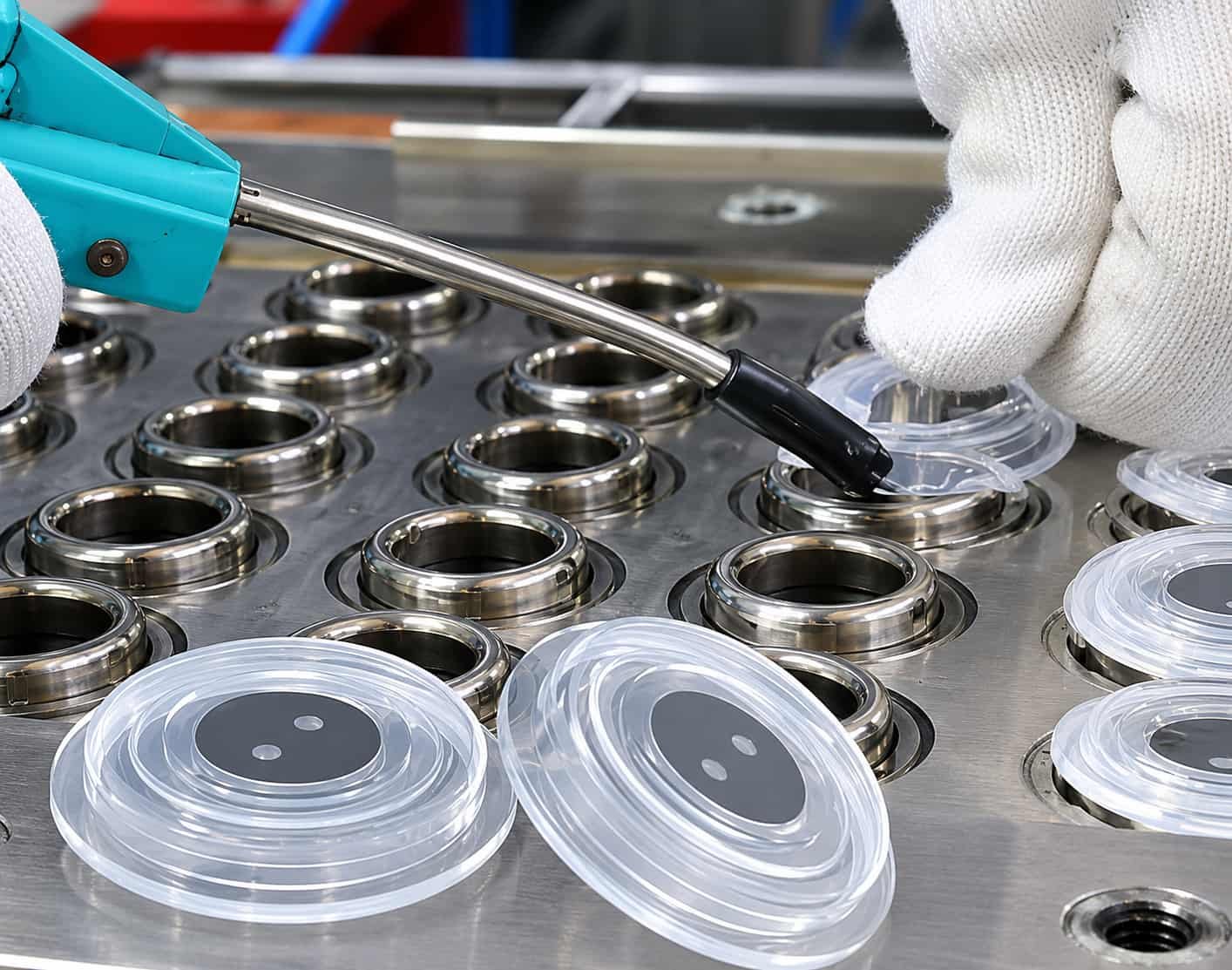
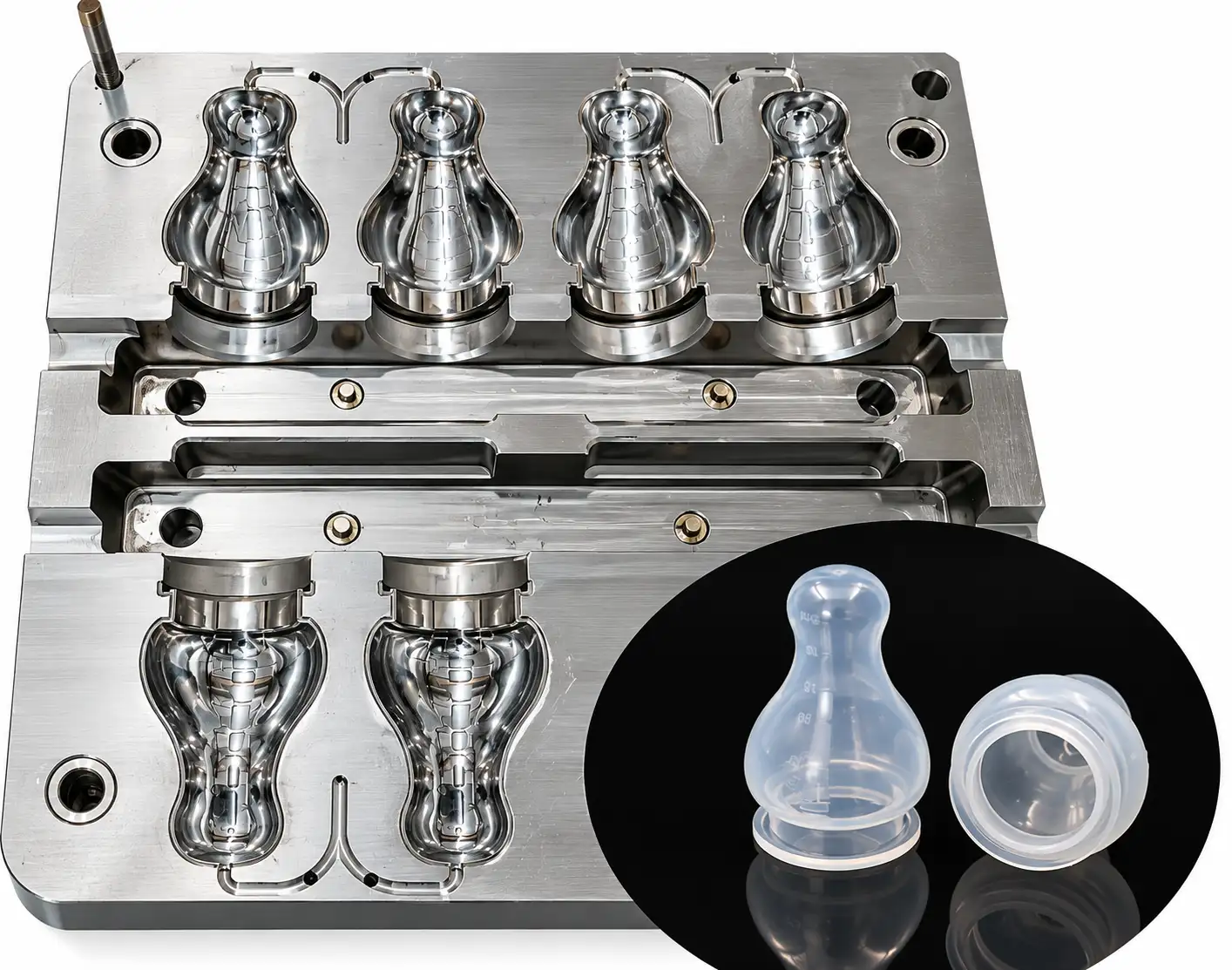
Before machining, the engineering team reviews the gate position, runner balance, vent locations, parting line, insert fit, and expected shrinkage. If the cavity has a long flow path or thin sealing features, the filling strategy needs to be checked before the mold is released for production.
Для lsr tools and molding for medical industry applications, the cold runner may be used to keep the material stable before it enters the heated cavity. The mold then uses controlled heating to cure the LSR. A balanced runner reduces filling differences between cavities, while suitable venting gives displaced air a path to leave without creating excessive flash.
The team does not solve every flash problem by increasing clamp force. First, they check whether the parting surfaces actually fit and whether an insert is moving under pressure. They also review ejector clearance, surface finish, and draft. When air entrapment remains a risk, vacuum assistance may be considered.
A medical grade mold release for LSR should not be treated as a substitute for correct tooling. Release agents can affect surface condition and may introduce an additional process variable. The better approach is to design the cavity, surface treatment, and ejection system so the part can release without depending on repeated coating.
What Changes After the Mold Trial?
After the first trial, the useful information is not limited to whether the part passed or failed. The team compares cavity filling, part weight, dimensions, flash location, surface condition, and demolding behavior.
If one cavity fills later, the operator and engineer check the runner and gate rather than adjusting the entire process blindly. If dimensions move after curing, the team reviews mold temperature, material behavior, and shrinkage compensation. If flash is limited to one insert, the insert fit becomes the focus.
This approach reduces unnecessary mold changes. It also helps separate a tooling problem from a material or machine-setting problem. The result should be more stable filling, less secondary trimming, more consistent dimensions, and a clearer qualification path—not an unsupported promise of a particular percentage improvement.
Where This Approach Is Used
The same thinking applies to medical seals, check valves, drug-delivery components, wearable-device interfaces, and flexible overmolded features. In clean room LSR injection molding, the team must also control handling, cleaning, packaging, and environmental conditions so the molded part is not compromised after it leaves the cavity.
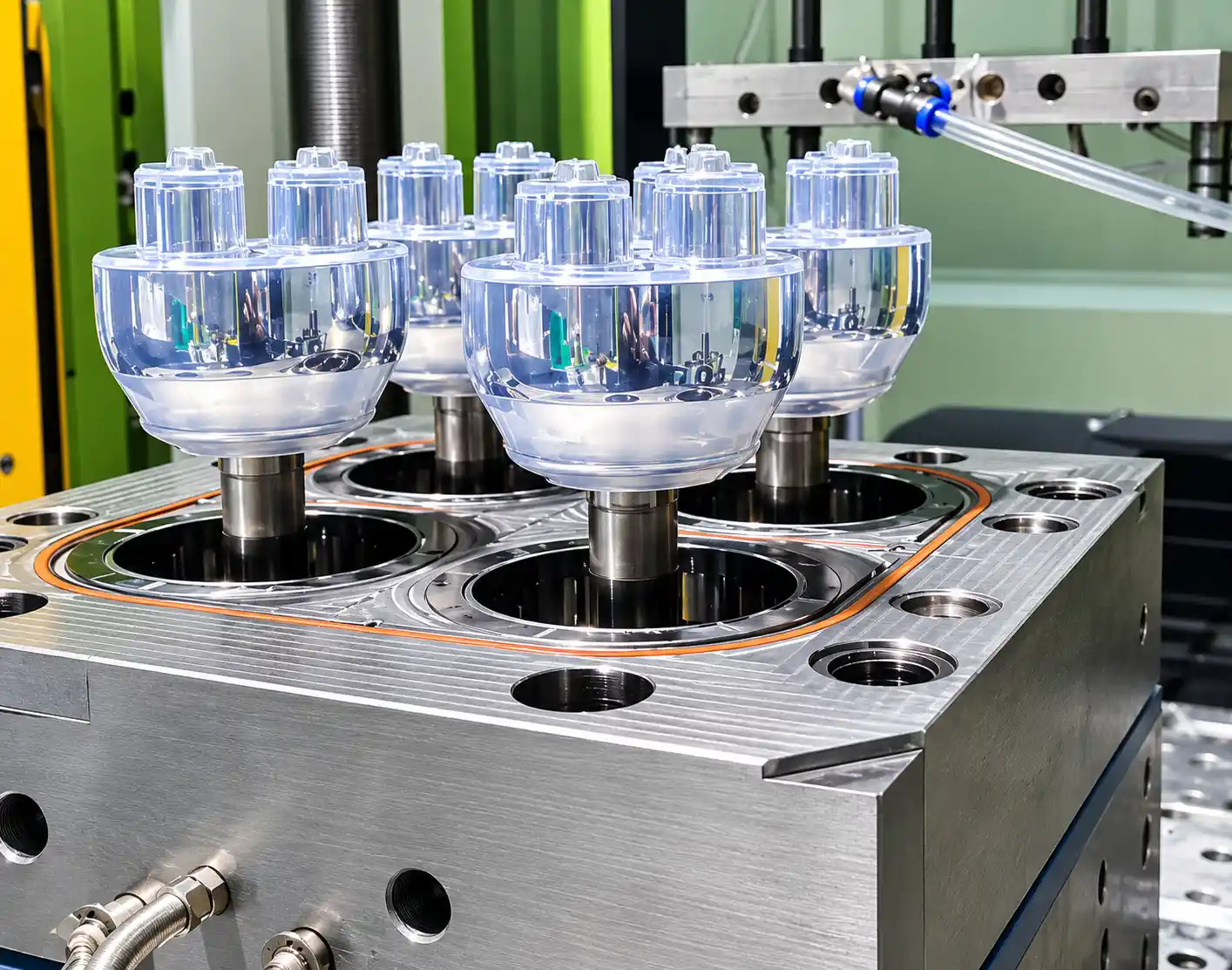
For high-volume production, multi-cavity balance and automated part removal become more important. For small medical components, flash and dimensional variation may matter more than cycle time. The manufacturing plan changes with the part, but the principle stays the same: prevent the defect at its source instead of relying on inspection to sort it out later.
На сайте Силиконовые детали XUFU, the relevant capability is shown through this review process. Mold design, DFM feedback, LSR injection molding, cavity inspection, mold modification, and cleanroom production each have a specific purpose. The goal is to identify risks while the design can still be changed, not after a production batch exposes them.
Medical LSR Molding FAQ
Find practical answers about medical LSR molding company selection,
mold design, tooling preparation, flash reduction, vacuum molding,
and silicone part quality.
Medical LSR molding begins before the first shot. The most useful work
often happens during the design review, when a small change to a vent,
insert, gate, or parting surface can prevent a much larger production
problem later.
How do I choose a medical LSR molding company?
Ask how the supplier reviews venting, gate location, cavity balance, shrinkage, demolding, and inspection before tooling starts. A supplier should explain the reasoning behind the mold design, not only list equipment.
What should I provide before starting a medical LSR mold?
Provide the part drawing, material requirement, tolerance data, assembly conditions, annual volume, surface requirements, cleaning needs, and any validation or packaging expectations.
How can medical LSR molding reduce flash?
Flash is reduced through accurate parting surfaces, controlled insert fits, suitable vent dimensions, balanced filling, stable molding conditions, and regular tool inspection. Clamp force alone rarely solves the root cause.
When is vacuum molding necessary?
Vacuum assistance is useful when the part has thin walls, deep features, long flow paths, or areas where conventional venting may leave trapped air.
How does mold design affect medical silicone parts?
Mold design affects flash, dimensions, surface quality, curing consistency, demolding, and cavity-to-cavity repeatability. These factors directly influence assembly and product performance.
Контактная информация чтобы обсудить ваш проект сегодня
Успешный Литье из LSR начинается задолго до запуска первой партии продукции.
Эффективность работы холодного канала, конструкция вентиляционных отверстий, компенсация усадки, предотвращение образования обломов, регулирование температуры и выбор материала — все эти факторы взаимосвязаны. Недостатки в одной из этих областей зачастую приводят к проблемам в других.
Если при проектировании пресс-формы эти факторы учитываются с самого начала, производство становится более предсказуемым, снижается количество брака, а стабильность размеров улучшается на протяжении всего срока службы пресс-формы.