
 Russian
  English
  German
  Spanish
  Italian
  Arabic
  Korean
  Japanese
  French
  Dutch
Dutch  Danish
  Norwegian
  Portuguese
  Turkish
  Czech
Czech  Lithuanian
  Polish
  Slovenian
 Литье LSR медицинского класса: что упускают из виду большинство команд перед изготовлением пресс-форм
Оглавление
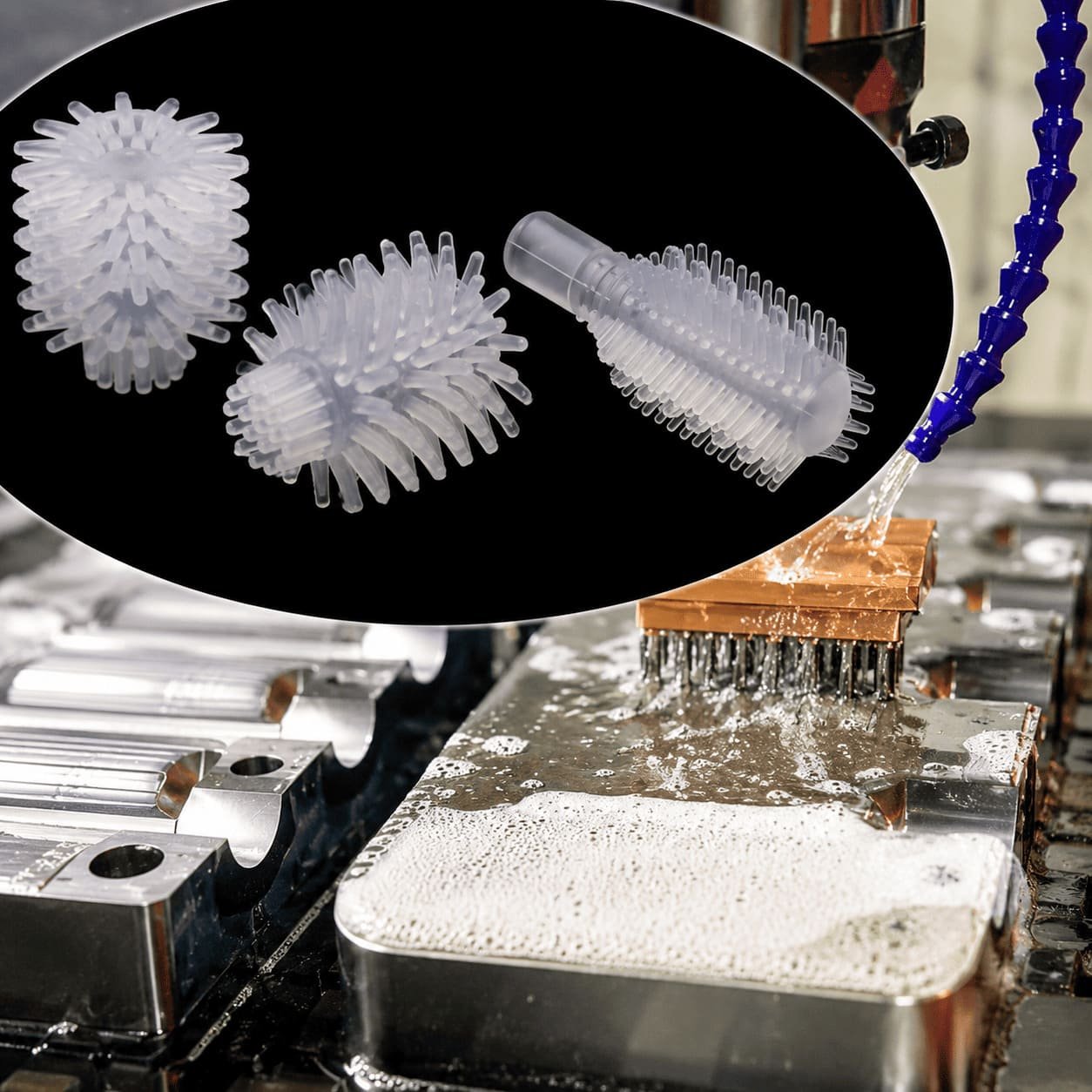
Medical Grade LSR Molding: Why Design Review Matters
When you buy medical grade lsr molding, you are not just buying a mold. You are buying confidence that your device will pass validation the first time.
Most teams learn this the hard way. They finish material testing. They pass initial samples. Then validation fails. Not because the silicone was bad. Because the mold had design flaws no one caught early.
Three Projects That Taught Us to Review More
A surgical valve team came to us after their first supplier failed. The parts looked good. Dimensions were in spec. But during sterilization, the valves warped.
We traced the issue to thermal control. The original mold did not separate the cold runner from the heated cavity. Heat bled into the runner, causing partial curing. The supplier tried to fix it with process changes. It did not work.
We rebuilt the mold with a proper insulation plate and balanced heating zones. The same material, same press. The difference was in the mold structure.
Another team needed a catheter component with tight tolerances. Their mold had shallow vents. During sampling, they opened the vents deeper. Flash appeared across the parting line.
We ran Moldflow before cutting steel. The simulation showed where air would trap. We adjusted vent location, not just depth. The parts filled cleanly, no flash.
A third project involved a bonding application. The supplier used mold release to solve demolding. It worked short term. But during secondary bonding, the release agent caused delamination.
We modified the tool surface, added PTFE coating, and increased draft angle slightly. The part released without chemicals. Bonding strength improved.
What These Stories Mean for You
These are not rare cases. They are common patterns in medical LSR projects.
Thermal Separation Prevents Runner Curing
Thermal separation is essential to avoid curing material in the runner system.
Accurate Vent Design Prevents Flash
Proper venting stops flash formation and reduces post-molding defects.
Mold Release Masks, Does Not Solve
Using mold release covers up problems instead of fixing the root cause.
Clean Rooms Don’t Fix Bad Mold Design
A clean room environment cannot compensate for poor mold design.
Validation Starts With Design Review
Validation success begins with a thorough design review before tooling.
See Risks in Design Review, Not in Quotes
You cannot see these risks in a quote. You see them in how the supplier approaches design review.
Связанные статьи:
Литье LSR медицинского класса: что упускают из виду большинство команд перед изготовлением пресс-форм
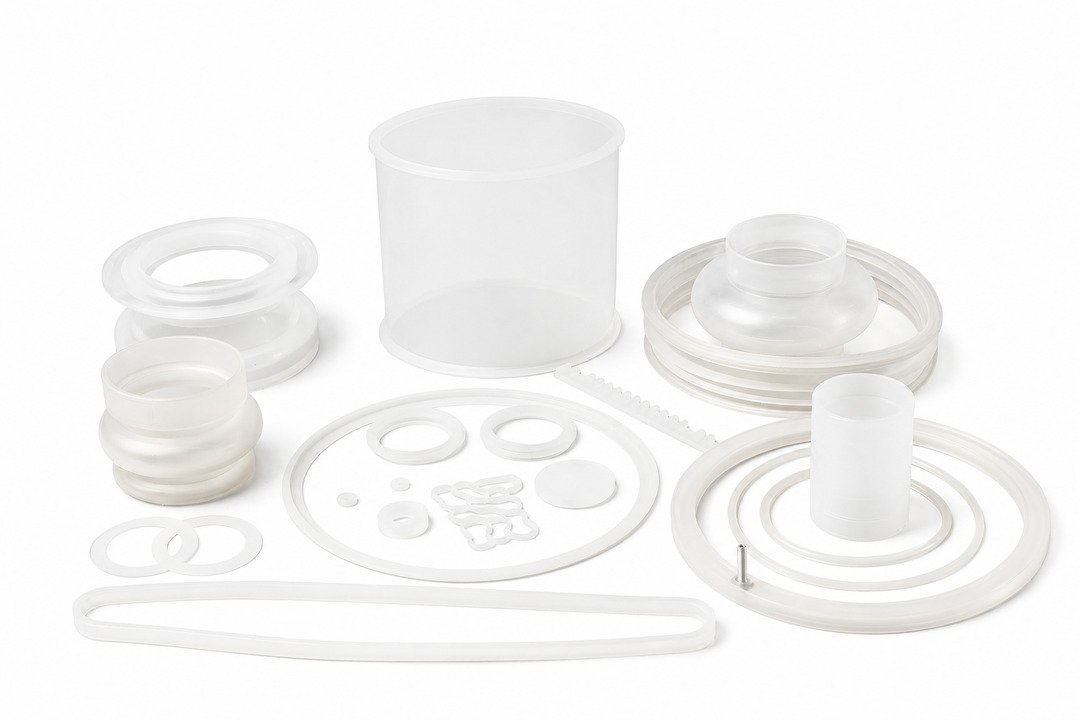
Почему компании, занимающиеся литьем из мягкого силикона, терпят неудачу и как выбрать подходящую
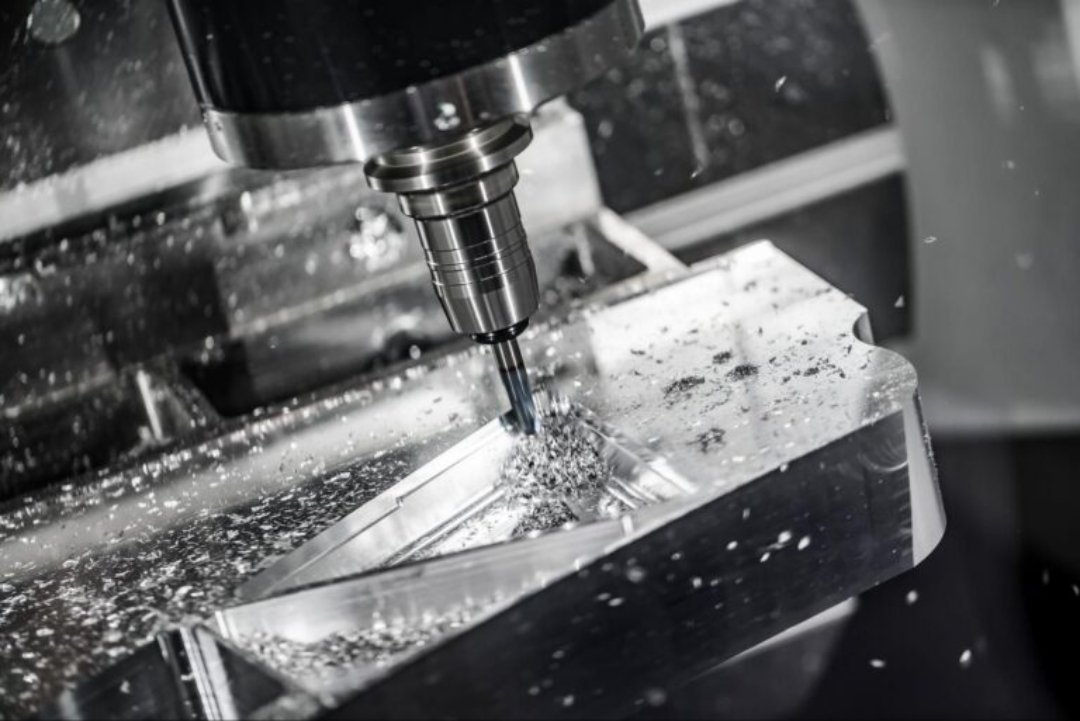
Как более качественное проектирование форм позволяет предотвратить дефекты силиконовых деталей
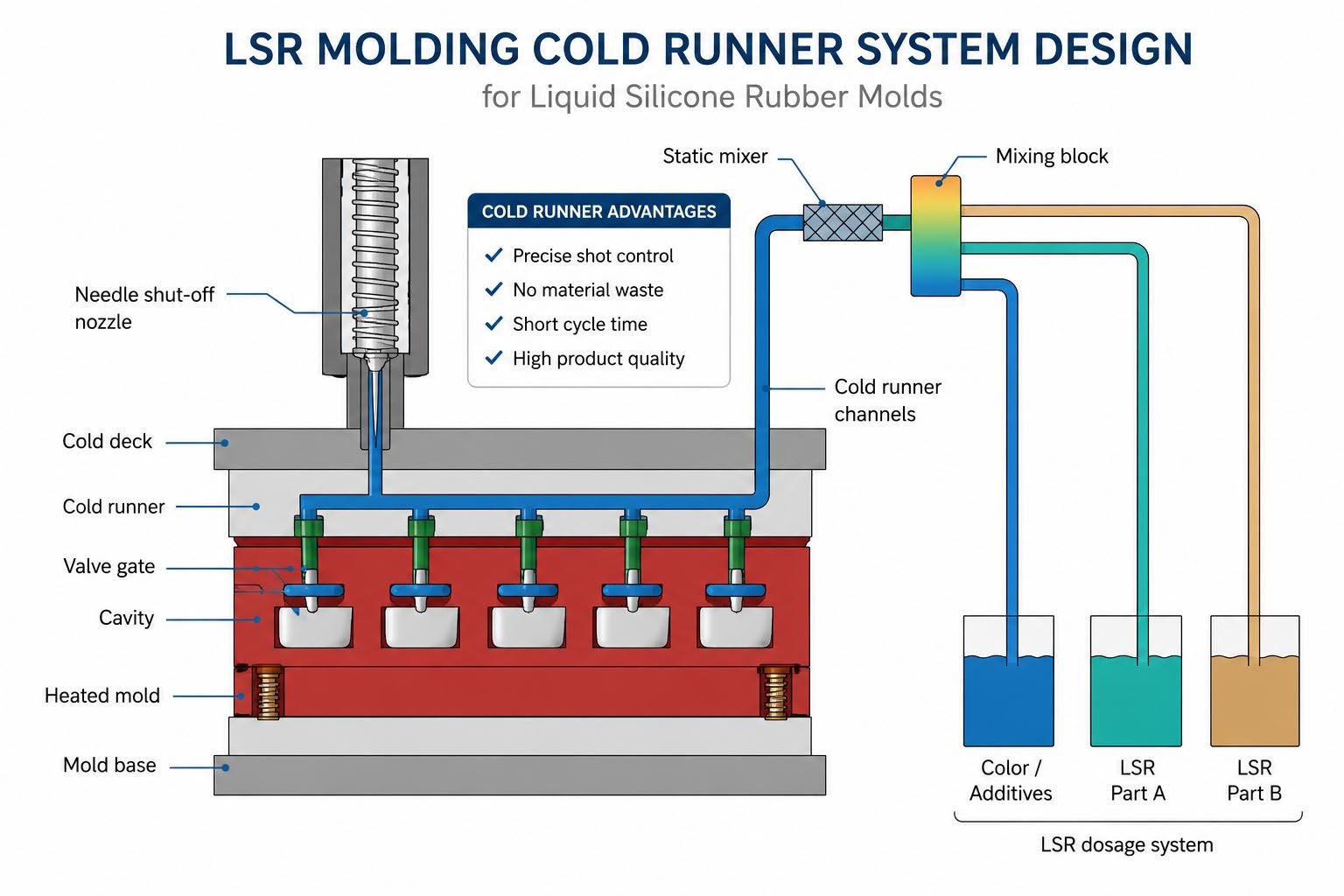
Литье из LSR: что действительно важно при проектировании пресс-форм
Where to Focus Your Review
Before you approve a mold, ask for these key details.
Moldflow Analysis with Vent Locations
Request moldflow analysis that clearly marks vent locations and flow paths.
Thermal Layout with Insulation Strategy
Review thermal layout showing insulation zones and heat control strategy.
Shrinkage Compensation Plan
Ask for a shrinkage compensation plan that accounts for flow direction.
Surface Treatment and Draft Angles
Confirm surface treatment specs and draft angle details for all cavities.
Validation Plan Tied to Mold Design
Ensure validation plan is directly linked to mold design parameters.
Why These Details Win
These details matter more than lead time or price when you need reliable mold performance.
ЧАСТО ЗАДАВАЕМЫЕ ВОПРОСЫ
What is medical grade LSR molding?
It is the process of molding liquid silicone rubber under controlled conditions for medical devices that require biocompatibility and dimensional stability.
Why does thermal separation matter?
It keeps the runner cold and cavity hot. Without it, silicone cures too early, causing short shots and unstable cycles.
How do you prevent flash in medical molds?
Through precise parting surfaces, controlled vent depth, and stable mold temperature.
Why is Moldflow important?
It predicts flow, air traps, and shrinkage before tooling. This reduces costly mold changes later.
What should I review before approving a mold?
Check DFM reports, Moldflow, vent design, thermal layout, shrinkage strategy, and validation planning.
Final Thought
Medical grade lsr molding works when the mold is right. Not when the material is perfect. Not when the press is expensive.
The teams that avoid validation delays are the ones that spend time on design review. They ask hard questions before steel is cut. That is where real manufacturing capability shows.
Title: Medical Grade LSR Molding: Design Review Matters
Meta Description: See why design review prevents validation failure in medical grade LSR molding. Real examples, not sales talk.
Need to Review Your LSR Mold Design?
If you are preparing a medical LSR project, consider a complete design review before cutting steel. Check vent locations, thermal isolation strategy, shrinkage compensation, and whether your validation plan aligns with the mold design.
These details determine whether validation passes on the first attempt or requires multiple rounds of modification.
If you want to discuss specific design issues or need a third-party review, reach out to our engineering team. We do not sell—we share experience gained from real projects.