
 Polish
  English
  German
  Spanish
  Italian
  Russian
  Arabic
  Korean
  Japanese
  French
  Dutch
Dutch  Danish
  Norwegian
  Portuguese
  Turkish
  Czech
Czech  Lithuanian
  Slovenian
 Blog
- Strona główna
- Blog
- Płynna guma silikonowa a silikon HTV
How Mold Manufacturing Reduces Liquid Silicone Rubber Injection Molding Lead Time
Spis treści
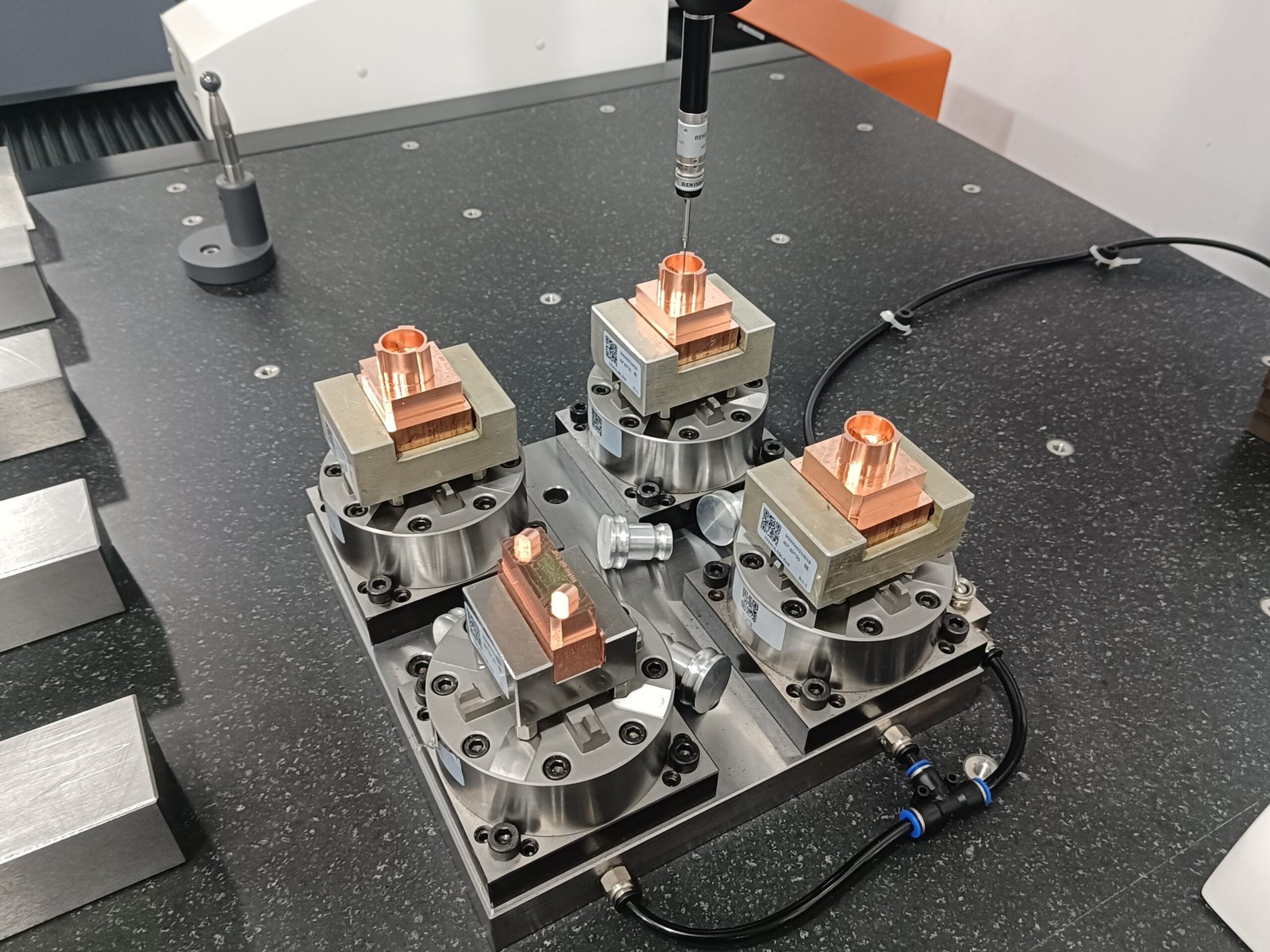
Manufacturers often face long cycles during liquid silicone rubber injection molding projects. Tooling delays design revisions and unstable processes slow everything down. However strong mold manufacturing strategy can sharply cut production time while keeping part quality steady.
In many projects mold design decides success before first shot even begins. Therefore companies that invest early in precision tooling often move faster from concept into mass production. Meanwhile poor tooling decisions create bottlenecks that extend delivery schedules.
This article explains how mold manufacturing helps shorten production time. It also outlines design optimization methods process improvements and practical steps across entire workflow.
High-Quality Mold Manufacturing Speeds Liquid Silicone Rubber Injection Molding
High-quality molds directly influence cycle time stability and repeatability.
Precision Machining Reduces Rework
Accurate CNC machining keeps cavity dimensions correct from start. Therefore engineers avoid repeated mold adjustments later.
Even small dimensional errors can cause flashing short shots or uneven curing. Fixing those issues after tooling stage wastes days or even weeks.
Stable Mold Structure Improves Efficiency
Well-built molds maintain consistent clamping and sealing performance.
Stable structure prevents deformation during injection cycles. As result production runs smoothly without frequent stops.
Optimized Runner Systems Save Time
Cold runner systems reduce material waste and improve cycle efficiency.
Valve gate designs also control flow precisely. Therefore operators spend less time adjusting injection parameters.
Integrated Cooling and Heating Design
LSR curing depends heavily on temperature control.
Balanced heating channels allow uniform curing across cavities. Consequently parts demold faster and maintain consistent quality.
Optimizing LSR Component Design Shortens Manufacturing Time
Product design plays a major role in project speed.
Simplified Geometry Reduces Tool Complexity
Complex part structures increase machining time.
Engineers can shorten tooling lead time by reducing unnecessary features. Thin walls deep ribs or sharp corners often complicate mold design.
Proper Draft Angles Improve Demolding
Adequate draft angles allow easier part release.
Without proper draft molded parts stick inside cavity. That leads to manual removal which slows production.
Uniform Wall Thickness Supports Fast Curing
Uneven thickness causes inconsistent curing rates.
Thin sections cure faster while thick areas remain soft longer. Balanced wall design therefore helps maintain cycle stability.
Compatibility With Double Shot LSR Machine Process
Some applications require multi-material integration.
The manufacturing process – double shot LSR machine allows silicone bonding with plastic parts. Designers should plan bonding surfaces early to avoid redesign later.
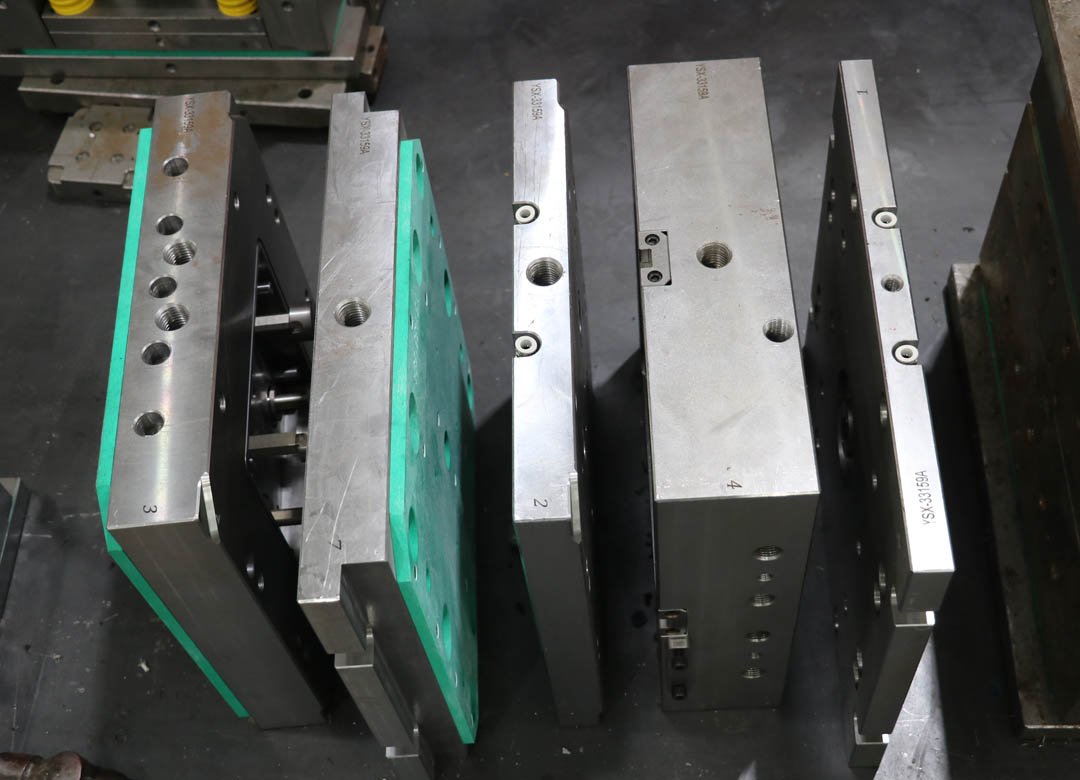

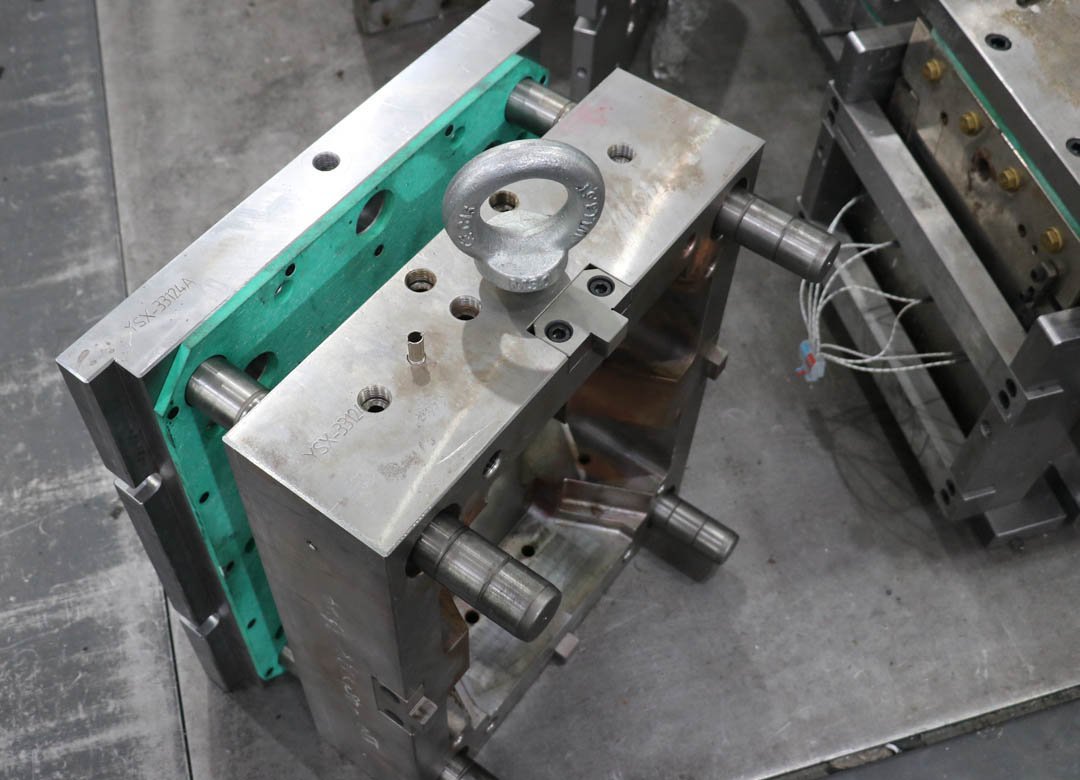
Seven Ways to Shorten Production Cycle Time in LSR Injection Molding
Reducing lead time requires coordinated improvements across design tooling and process control.
Early Design Collaboration
Working with mold engineers early avoids costly redesign.
Design feedback at early stage improves manufacturability and shortens project timeline.
Rapid Prototype Tooling
Aluminum prototype molds help validate design quickly.
Once design passes testing engineers move directly into hardened steel molds without delays.
Use of Cold Runner Systems
Cold runner technology minimizes silicone waste.
Because material stays uncured inside runner channels production becomes more efficient.
Automation Integration
Robotic systems remove parts automatically after curing.
Automation reduces labor dependence and allows continuous operation across shifts.
Process Parameter Optimization
Injection speed pressure and curing temperature must stay stable.
Real-time monitoring systems help engineers adjust quickly without stopping production.
Multi-Cavity Mold Design
Multi-cavity molds produce several parts per cycle.
Higher output reduces total production time even if cycle duration remains unchanged.
Efficient Material Handling
Stable storage conditions keep silicone viscosity consistent.
Consistent material behavior prevents defects which avoids rework and delays.
Understanding the Manufacturing Process – Double Shot LSR Machine
Multi-material molding plays a growing role in modern production.
What Is Double Shot LSR Injection?
Double shot injection combines thermoplastic molding with silicone molding inside one machine cycle.
Plastic substrate forms first. Then liquid silicone rubber bonds onto that surface during second injection stage.
How Double Shot Technology Reduces Lead Time
Traditional assembly requires multiple steps.
Separate molding bonding and assembly operations increase production time. However double shot process integrates all steps into one cycle.
Therefore total manufacturing time drops significantly.
Applications of Double Shot LSR Molding
Common uses include:
waterproof electronic housings
medical device grips
automotive sealing components
wearable device bands
Each application benefits from reduced assembly and improved sealing performance.
Process Control Across Liquid Silicone Rubber Injection Molding
Stable process control prevents delays caused by defects.
Accurate Metering Systems
Liquid silicone rubber consists of two components.
Metering systems must deliver correct mixing ratio. Inaccurate mixing leads to incomplete curing or weak parts.
Temperature Stability
Mold temperature directly affects curing speed.
Consistent heating across mold cavities prevents uneven curing and reduces cycle variation.
Injection Pressure Control
Stable pressure ensures proper cavity filling.
Low pressure may cause short shots. Excessive pressure leads to flash or material overflow.
Real-Time Monitoring
Modern machines track process parameters continuously.
Engineers detect abnormalities early which prevents large batches of defective parts.
Why Mold Manufacturing Matters More Than Equipment Alone
Some companies focus heavily on injection machines. However mold design often carries greater influence.
Even advanced machines cannot compensate for poor mold structure.
Precision tooling determines:
flow balance
curing uniformity
demolding efficiency
product accuracy
Therefore investment in mold manufacturing often delivers faster returns than upgrading equipment alone.
Why Choose xflsrmolding for Precision LSR Injection Molds
Choosing an experienced partner reduces risk during development.
xflsrmolding provides precision tooling and advanced silicone molding solutions. Engineering teams focus on manufacturability from early design stage.
Key strengths include:
strong mold design expertise
fast prototype development
advanced liquid silicone rubber injection molding capabilities
experience with double shot LSR machine process
With integrated services clients move faster from design into production without unnecessary delays.
Conclusion
Reducing lead time in liquid silicone rubber injection molding requires more than faster machines.
Success depends on mold quality design optimization process control and automation. Companies that align these factors early can shorten development cycles significantly.
Meanwhile technologies like manufacturing process – double shot LSR machine reduce assembly steps and improve efficiency further.
In competitive markets faster production often determines success. Therefore investing in high-quality mold manufacturing remains one of the smartest ways to accelerate silicone product development.