 Norwegian
  English
  German
  Spanish
  Italian
  Russian
  Arabic
  Korean
  Japanese
  French
  Dutch
Dutch  Danish
  Portuguese
  Turkish
  Czech
Czech  Lithuanian
  Polish
  Slovenian
 Slik reduserer du ledetiden i LSR 2 Shot Injection Molding-prosjekter
Innholdsfortegnelse
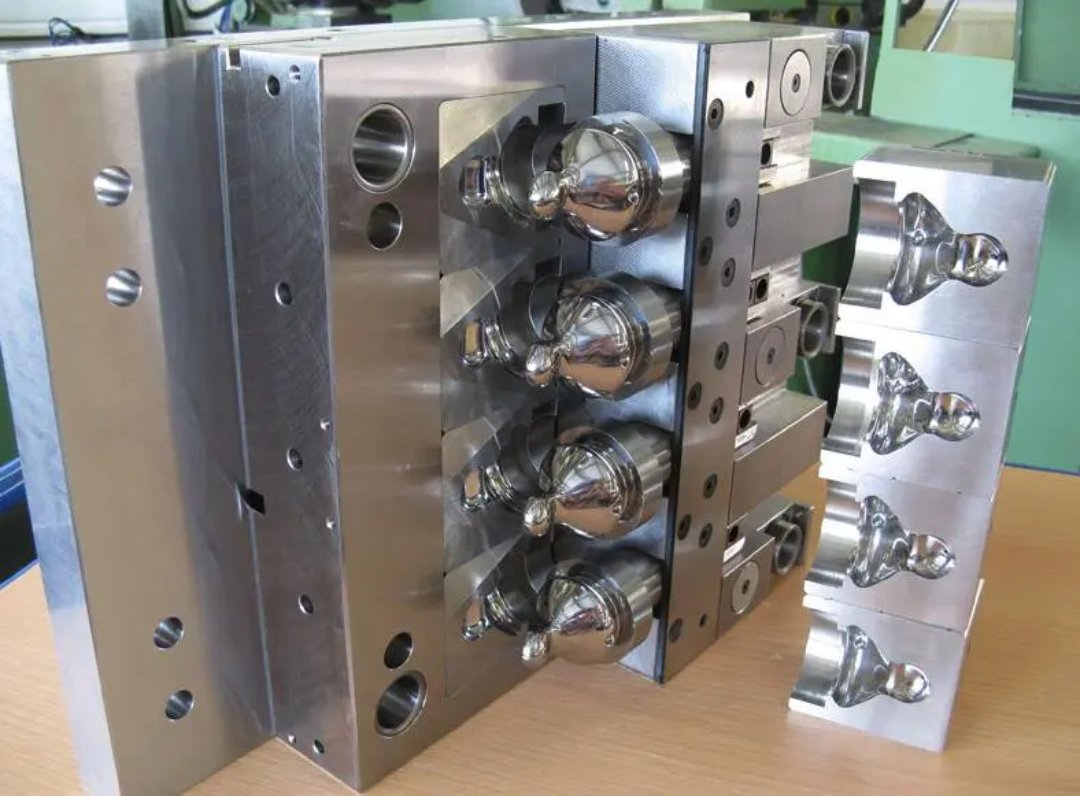
Grunnleggende informasjon om flytende silikongummi
Flytende silikongummi tilhører en herdeplastgruppe. To-komponent silikonblandinger herder under varme under sprøytestøping.
LSR-materialer består vanligvis av en del A silikonbase og en del B herdemiddel. Doseringspumper blander begge komponentene i injeksjonssystemet før materialet kommer inn i det oppvarmede formhullet.
Nøkkelfunksjoner tiltrekker seg mange bransjer:
høy fleksibilitet
bredt driftstemperaturområde
utmerket kjemisk motstand
stabile mekaniske egenskaper
Biokompatibilitet av medisinsk kvalitet
Fordi herdingen skjer raskt i oppvarmede støpeformer, blir produksjonssyklusene ofte korte sammenlignet med tradisjonell kompresjonsstøping av gummi.
Støping av flytende silikongummi støtter derfor høyvolumproduksjon av tetninger til medisinske komponenter, babyprodukter og kontakter til bilindustrien.
Fordeler med flytende silikongummi sammenlignet med tradisjonell silikongummi
Tradisjonell silikonkompresjonsstøping dominerte en gang i tiden produksjonen av gummikomponenter. Men LSR-injeksjonsteknologien gir nå større hastighet, presisjon og automatiseringspotensial.
Raskere produksjonssykluser
Kompresjonsstøping krever manuell lasting, trimming og avforming. Produksjonsrytmen forblir derfor langsom.
Ved støping av flytende silikongummi brukes derimot automatisert injeksjonsutstyr. Syklustiden synker ofte til under ett minutt, avhengig av emnegeometrien.
Høyere dimensjonal presisjon
LSR-sprøytestøpeformer styrer trykket i hulrommet nøyaktig. Resultatet er at de støpte komponentene oppnår strammere toleranser.
Tetningspakninger til medisinske ventiler eller deler til bærbare enheter krever ofte dimensjonsstabilitet innenfor små områder.
Bedre evne til automatisering
Automatisering forbedrer produksjonseffektiviteten dramatisk.
Robotiserte avformingssystemer kombinert med lsr 2 shot sprøytestøping maskiner muliggjør kontinuerlig produksjon uten tung arbeidsinnsats.
Derfor reduserer selskapene kostnadene samtidig som de øker produksjonen.
Materialets renhet
LSR-produksjonssystemer bruker lukkede materialtilførselslinjer. Ekstern forurensning forekommer sjelden.
Denne fordelen passer til farmasøytisk utstyr, medisinske masker, oksygenkomponenter og babypleieprodukter.
Kjennetegn ved LSR-materialer og produksjonsprosesser
LSR-materialer oppfører seg annerledes enn termoplast. Ved å forstå disse egenskapene kan ingeniører forkorte utviklingstiden.
Flyteegenskaper ved lav viskositet
Flytende silikongummi flyter lett inn i mikrohulrom. Tynne veggstrukturer fylles raskt.
Dermed blir det mulig å støpe komplekse geometrier i flytende silikongummi.
Rask varmeherding
Herdingen begynner når silikonet kommer inn i det oppvarmede formhullet. Tverrbinding skjer gjennom platinakatalysatorreaksjon.
Korte herdeperioder reduserer syklustiden, noe som støtter raske produksjonsplaner.
Bred temperaturstabilitet
LSR-deler opprettholder elastisiteten over ekstreme temperaturområder.
Typisk område strekker seg fra -50 °C til 200 °C, avhengig av formulering.
På grunn av denne stabiliteten brukes LSR-komponenter ofte i motorrom i biler, i utendørs elektronikk og i medisinske steriliseringsmiljøer.
Kompatibilitet med multi-materialstøping
En annen fordel kommer til syne gjennom lsr 2 shot sprøytestøping.
Denne prosessen limer silikon direkte på termoplastiske substrater. Eksempler inkluderer:
tetningsringer av silikon over plasthus
vanntette smarttelefonknapper
håndtak for medisinsk utstyr
bærbare elektroniske bånd
Integrering av flere materialer reduserer monteringsoperasjonene og reduserer dermed produksjonstiden.
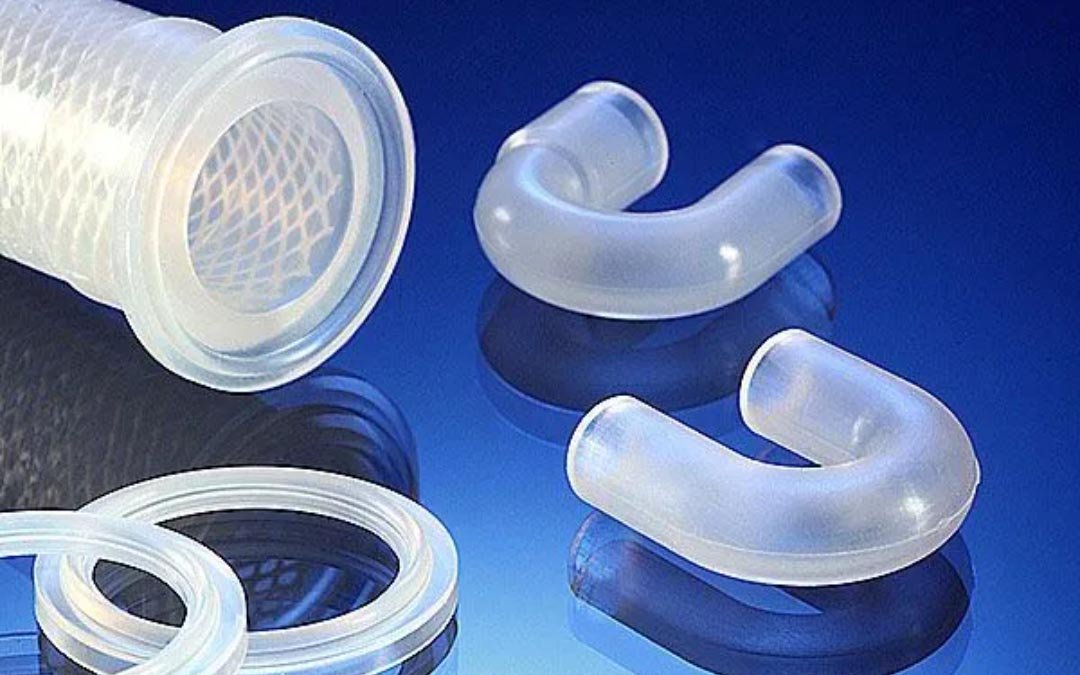
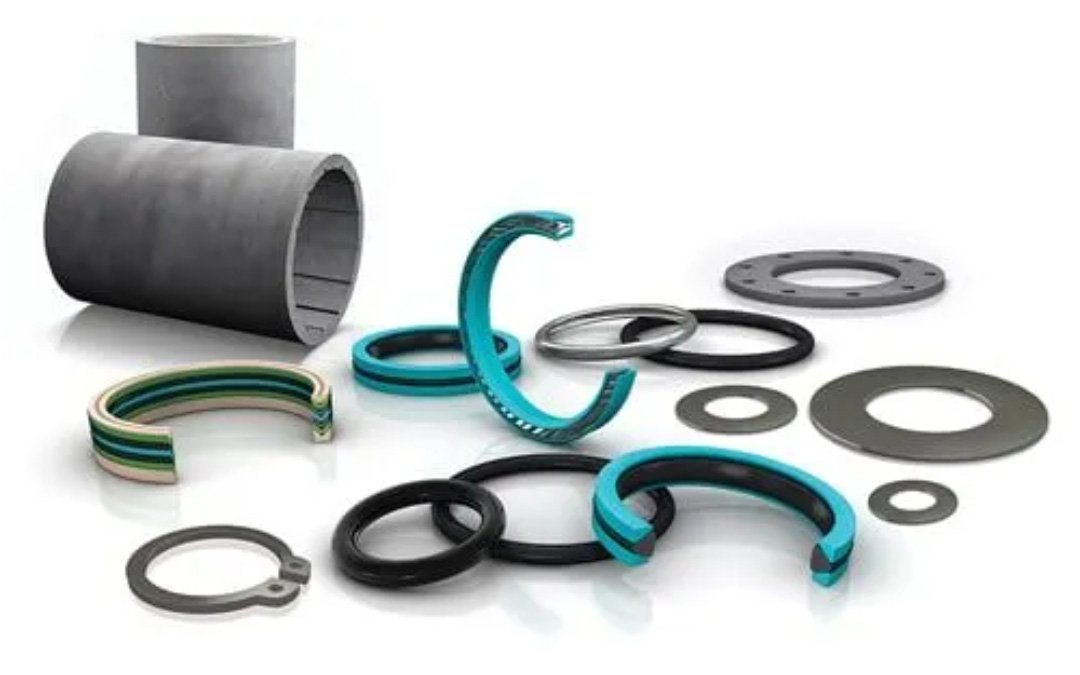
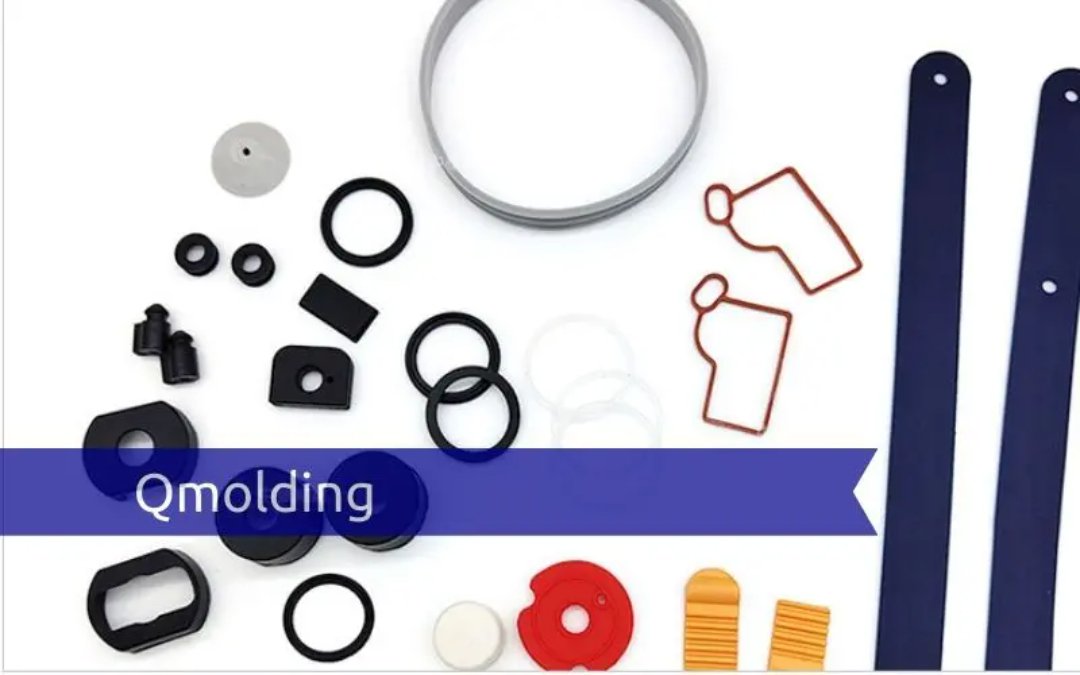
Forståelse av de viktigste produksjonsfasene i LSR-sprøytestøpeprosjekter
Før man kan redusere produksjonstiden, må ingeniørene undersøke hele produksjonskjeden. Hver fase påvirker prosjektets tidsplan.
Produktdesignfasen
Ingeniørene analyserer først produktgeometri, materialhardhet, tetningskrav og toleranser.
Dårlige designbeslutninger fører til at støpeformen må redesignes senere, noe som forlenger produksjonssyklusene dramatisk.
Prosjekteringsgjennomganger er derfor fortsatt avgjørende tidlig i prosjektutviklingen.
Utvikling av prototyper
Prototypeprøver validerer den strukturelle integriteten, tetningsytelsen og den mekaniske holdbarheten.
Med raske silikonprototyper kan ingeniører bekrefte gjennomførbarheten før de investerer i støpeformer i herdet stål.
Verktøyproduksjon
En stor del av den totale ledetiden går med til moldproduksjon.
CNC-maskinering med høy presisjon, EDM-bearbeiding og polering krever erfarne teknikere.
For lsr 2 shot sprøytestøping formene øker kompleksiteten fordi det finnes to materialkanaler.
Forberedelse av materiale
LSR-komponenter krever et nøyaktig blandingsforhold mellom del A og del B silikon.
Doseringssystemer pumper begge materialene inn i blandekammeret før injeksjon.
Stabilt blandingsforhold forhindrer herdingsfeil.
Injeksjon og vulkanisering
Injeksjonsenheten sprøyter silikonblandingen inn i oppvarmede hulrom.
Varme aktiverer tverrbindingsreaksjonen som danner en elastisk silikonstruktur.
Etter herding skyter robotsystemer ut ferdige deler.
Kvalitetskontroll
Visuell kontroll av dimensjoner og ytelsestesting verifiserer produktets pålitelighet.
Komponenter av medisinsk kvalitet gjennomgår også biokompatibilitetsvalidering.
Operasjoner som forkorter produksjonstiden fra prototyp til masseproduksjon
For å redusere ledetiden kreves det optimalisering på tvers av designverktøy og prosessteknikk.
Tidlig designsamarbeid
Produsenter drar nytte av tidlig kommunikasjon med silikonstøpespesialister.
Ingeniører analyserer trekkvinkler, veggtykkelse og tetningsstrukturer.
Bedre design reduserer behovet for senere modifisering av støpeformen, noe som sparer uker under utviklingen.
Rapid Tooling-teknologi
Moderne CNC-maskineringssentre gjør det mulig å lage støpeformer raskt.
Noen produsenter produserer LSR-prototyper i løpet av få dager ved hjelp av aluminiumsverktøy.
Etter designbekreftelse følger støpeformer i herdet stål for store produksjonsserier.
Integrerte LSR 2-sprøytestøpesystemer
Flerkomponentstøpemaskiner kombinerer termoplastinjeksjon med silikoninjeksjon.
En slik integrert prosess eliminerer sekundære monteringsoperasjoner.
Dermed blir produksjonstiden dramatisk kortere.
Kaldkanalsystemer
Kaldkanalformer forhindrer unødvendig silikonavfall.
Materialet forblir uherdet inne i løperkanalene og kan derfor gjenbrukes.
I tillegg til å spare materialer, forbedrer kaldkanalteknologien syklusens effektivitet.
Automatiserte produksjonslinjer
Automatisering reduserer manuelle inngrep under avforming, trimming og pakking.
Robotarmer tar ut deler direkte fra formhulrom.
Resultatet er en kontinuerlig produksjon dag og natt.
Digital produksjonsovervåking
Moderne sprøytestøpemaskiner inkluderer programvare for sanntidsovervåking.
Temperatur, trykk, innsprøytningshastighet og herdetid overvåkes kontinuerlig.
Ingeniørene oppdager derfor avvik tidlig, noe som forhindrer forsinkelser i produksjonen.
Hvordan opprettholde konsistente LSR-materialegenskaper
Raskere produksjon må aldri gå på bekostning av materialkvaliteten. Konsekvente silikonegenskaper garanterer pålitelig produktytelse.
Stabil lagring av materialer
Flytende silikongummikomponenter krever kontrollerte lagringsmiljøer.
Temperatursvingninger påvirker viskositeten og herdeegenskapene.
Produsentene oppbevarer derfor silikonfatene i klimakontrollerte rom.
Nøyaktige målesystemer
Doseringspumper leverer presise forholdstall for del A- og del B-silikon.
Selv små avvik i forholdet påvirker herdeytelsen.
Regelmessig kalibrering opprettholder materialkonsistensen.
Kontrollert formtemperatur
Temperaturkontrollenheter sørger for jevn varmefordeling i formhulrommene.
Stabil formtemperatur støtter jevn herding gjennom hver produksjonssyklus.
Sporbarhet for materialpartier
Batchsporingssystemer registrerer silikontingentnumre for hver produksjonskjøring.
Sporbarheten gjør det mulig å undersøke saken raskt hvis det oppstår ytelsesproblemer senere.
Slik sporbarhet er spesielt viktig for komponenter i medisinsk silikon.
Bruksområder som drar nytte av hurtig LSR 2-sprøytestøping
Flere bransjer krever rask produksjon av silikonkomponenter.
Vanlige bruksområder inkluderer:
medisinske pustemasker
tetninger for bærbar elektronikk
vanntette knapper for forbrukerelektronikk
pakninger til sensorer i bilindustrien
tilbehør til babypleie og mating
kosmetiske dispenseringsventiler
Alle bruksområder drar nytte av silikonets elastisitet, kjemiske motstandskraft og temperaturstabilitet.
I mellomtiden lsr 2 shot sprøytestøping reduserer monteringskompleksiteten ved hjelp av integrerte multimaterialstrukturer.
Konklusjon
Kortere produksjonssykluser gir produsentene et sterkt konkurransefortrinn.
For å lykkes må man imidlertid ha en dypere forståelse av hvordan flytende silikongummi oppfører seg ved bruk av injeksjonsutstyr og formdesign.
Bedrifter som integrerer tidlig ingeniørsamarbeid, rask verktøyautomatisering og presis materialkontroll, fullfører ofte prosjekter langt raskere.
Teknologien for støping av flytende silikongummi fortsetter å utvikle seg raskt.
I mellomtiden lsr 2 shot sprøytestøping åpner ytterligere muligheter for komplekse produkter i flere materialer med færre monteringstrinn.
Etter hvert som industrien etterspør komponenter med høyere ytelse, vil silikonsprøytestøping fortsatt være avgjørende for effektiv produksjon.