
 Norwegian
  English
  German
  Spanish
  Italian
  Russian
  Arabic
  Korean
  Japanese
  French
  Dutch
Dutch  Danish
  Portuguese
  Turkish
  Czech
Czech  Lithuanian
  Polish
  Slovenian
 Liquid Silicone Rubber Molding vs HTV Silicone Molding: Buyer Guide for Smart Material Choice
Table of Contents

Liquid silicone rubber molding continues gaining attention across medical packaging, cosmetic closures, and precision sealing parts. However many buyers still compare liquid silicone rubber molding against HTV silicone molding with confusion. This guide clarifies material behavior, process flow, cost logic, and project fit using simple words and buyer-first thinking.
Manufacturers selecting between both systems often struggle with cycle speed, tooling spend, and part performance. Therefore this article explains options clearly with solution focus.
What Liquid Silicone Rubber Molding and HTV Silicone Molding Mean
Liquid silicone rubber molding explained
Liquid silicone rubber molding uses two-part platinum cured silicone injected through closed system tooling. Material flows smoothly even through tiny gates. Therefore medical valves, baby products, and cosmetic caps often use this method.
Additionally liquid silicone rubber molding supports automation which improves yield stability during mass output. Cleanroom compatibility also supports healthcare-grade production.
HTV silicone molding overview
HTV silicone molding uses solid rubber compounds processed through compression or transfer molding. Operators load pre-cut material into heated cavities. Pressure then shapes parts through slower curing cycles.
HTV systems suit thicker products such as gaskets, industrial seals, or heavy pads. However fine micro-detail becomes harder during production.
Liquid Silicone Rubber Molding vs HTV: Process Differences That Affect Your Cost
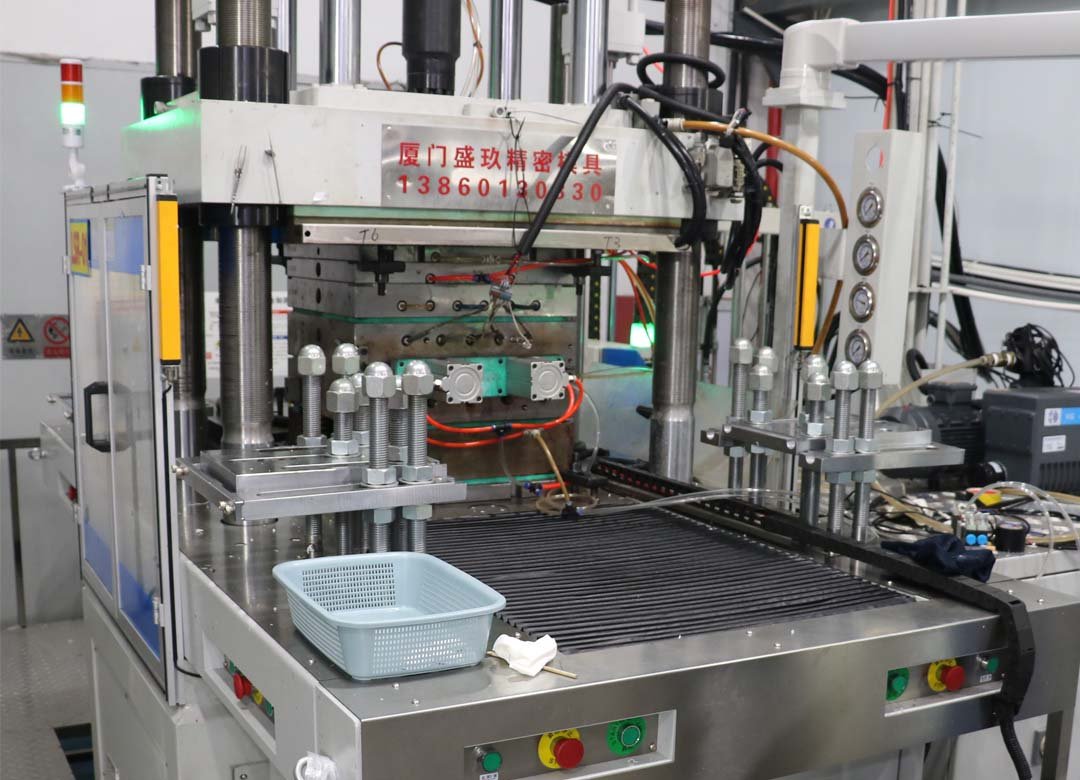
LSR injection molding process flow
First dosing pumps meter A and B components.
Next static mixers blend material uniformly.
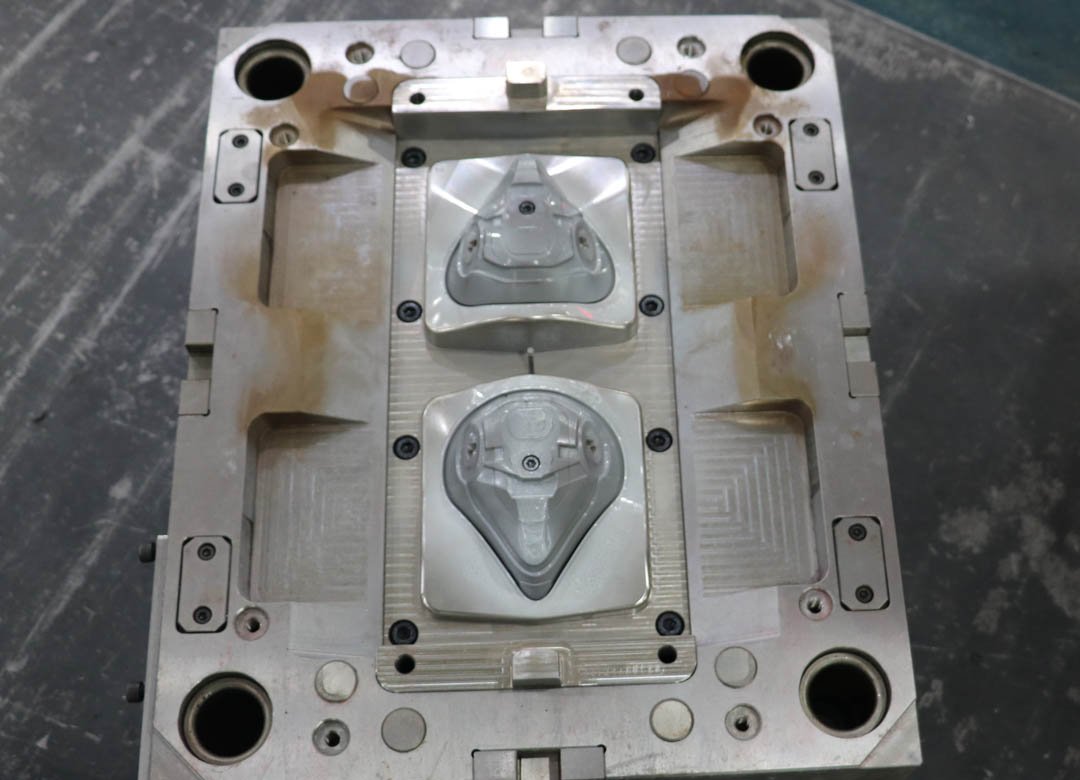
Then cold runner feeds cavity with high precision.
Afterwards heat cures silicone rapidly.
Finally robotic demolding delivers clean parts.
Because lsr injection molding process uses closed-loop feeding scrap rates stay very low. Consequently large production volumes gain strong cost advantage.
HTV molding process flow
HTV molding requires manual preforming.
Workers place rubber slugs inside open cavities.
Presses close mold under pressure.
Curing takes longer time.
Then operators remove flash manually.
Therefore labor dependency increases. Scrap rate also rises during high-volume jobs.
Advantage of Liquid Silicone Rubber Molding for Modern Products
Higher precision for micro structures
Liquid silicone rubber molding handles ultra-thin walls easily. Tiny features such as cross-slit valves perform better under LSR flow. Consequently cosmetic flip caps and medical check valves benefit greatly.
Faster cycles improve project economics
Cycle times often remain under 30 seconds. Meanwhile HTV curing often requires several minutes. Therefore lsr injection molding companies deliver higher output per shift.
Clean manufacturing suits regulated industries
Liquid silicone rubber molding works well inside Class 8 cleanroom setups. Medical tubing connectors and drug delivery components often rely on such conditions. HTV lines struggle reaching similar hygiene level.
Reduced secondary processing
LSR parts usually release with minimal flash. Post-trimming labor drops sharply. Thus total project spend improves over long production cycles.
Where HTV Silicone Molding Still Makes Sense
Despite benefits liquid silicone rubber molding does not solve every project. HTV still fits certain use cases.
Thick industrial components
Large vibration dampers, heavy gaskets, and thick pads require solid body density. HTV compounds perform well under such mechanical stress.
Low volume prototype runs
HTV molds cost less initially. Therefore early-stage projects benefit from small batch HTV production before moving toward automation.
Simple geometry products
Basic round seals or flat washers do not need complex gating. HTV handles these shapes easily.
Material Behavior Comparison for Buyers
Flow behavior
Liquid silicone rubber molding offers water-like flow before cure. That trait supports narrow channels and micro parts. HTV compounds resist flow therefore limiting design freedom.
Mechanical consistency
LSR offers tight tolerance across cavities. Multi-cavity tooling keeps part variation very low. HTV parts show higher variance due manual loading differences.
Tool wear and longevity
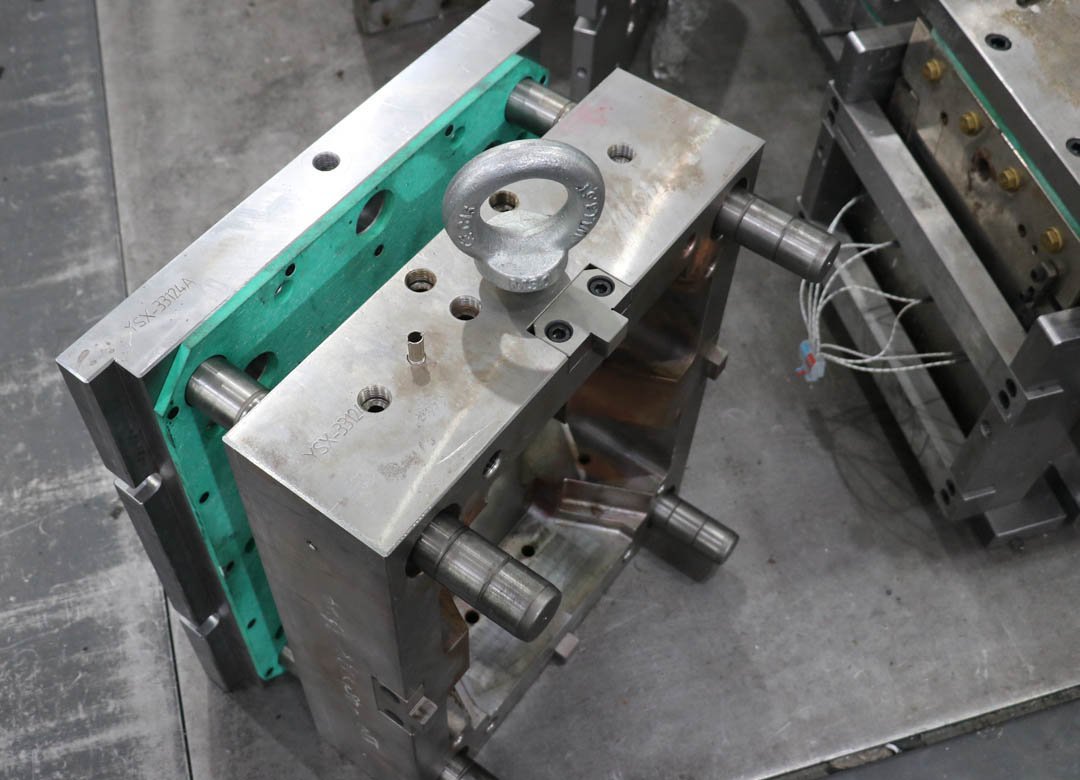
Cold runner LSR systems extend mold life due lower abrasion. HTV compounds generate more wear due fillers and repeated mechanical pressure.
Cost Control Strategy Using Liquid Silicone Rubber Molding
Many buyers fear higher tooling investment. However strategic planning flips economics favorably.
When high tooling cost pays back quickly
Large volume programs over 100k pieces monthly recover tooling quickly. Automation removes labor cost steadily. Therefore lsr injection molding companies often recommend LSR for scale-focused brands.
Part consolidation reduces assembly expense
LSR supports overmolding onto plastic substrates. That enables two-piece assemblies becoming single integrated components. Assembly labor drops dramatically.
Scrap reduction protects margin
Stable injection flow plus precise dosing minimize rejects. Long-term yield stays high. That stability matters during export contracts.
Selecting Right Technology for Your Product Category
Medical devices
Catheters, seals, valves, diaphragms demand consistency. Liquid silicone rubber molding remains preferred route. Many regulated manufacturers demand validated lsr injection molding process documentation.
Cosmetic packaging
Shampoo caps, flip tops, lotion pumps benefit from soft-touch feel. Liquid silicone rubber molding supports pleasant tactile response. Branding value rises with premium finish.
Industrial sealing
Heavy O-rings, heat-resistant pads, thick vibration parts often suit HTV. Material stiffness options remain wider in some HTV grades.
How Buyers Evaluate lsr injection molding companies
Choosing right partner affects every stage.
Engineering support depth
Strong suppliers offer DFM review early. They suggest gate optimization and wall thickness improvement. That reduces trial cycles.
Tooling experience matters
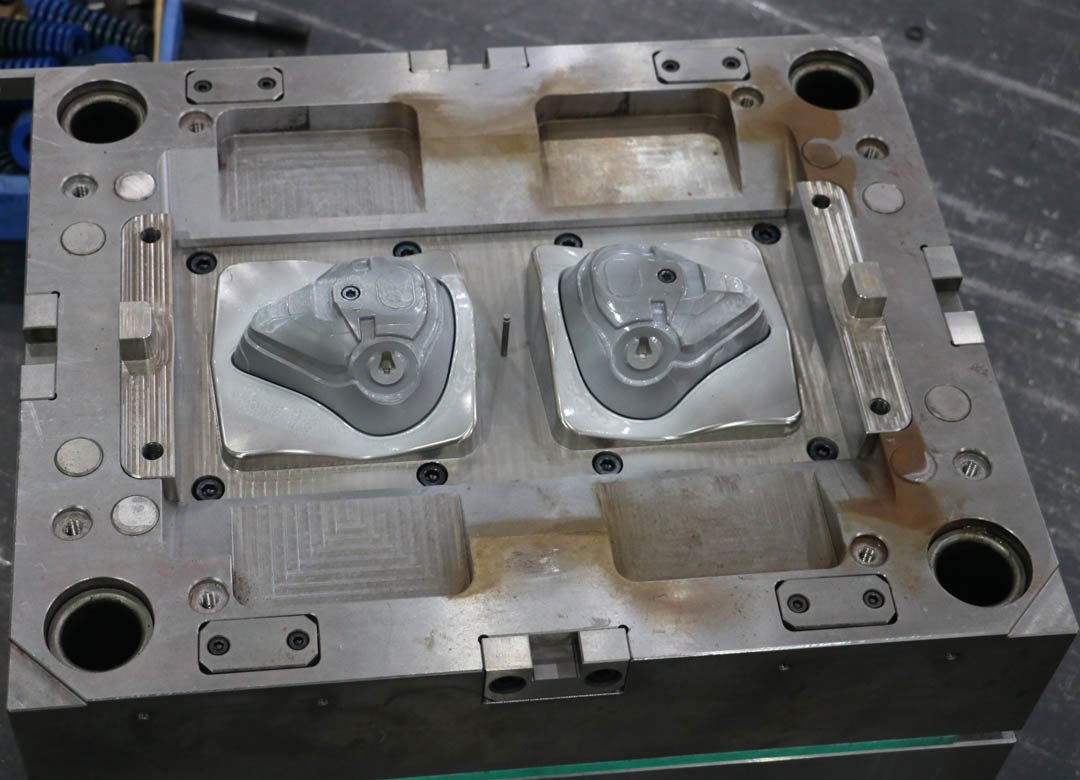
LSR tooling demands advanced venting knowledge. Look for suppliers with medical or micro-valve tooling background.
Validation and documentation
Reputable lsr injection molding companies provide process validation reports. That includes IQ OQ PQ files for regulated industries.
Liquid Silicone Rubber Molding vs HTV Summary Table
| Feature | Liquid Silicone Rubber Molding | HTV Silicone Molding |
|---|---|---|
| Cycle speed | Very fast | Slower |
| Automation | High | Limited |
| Labor dependency | Low | Higher |
| Precision | Excellent | Moderate |
| Cleanroom compatibility | Strong | Weak |
| Tooling cost | Higher | Lower |
| Best volume | Medium to large | Low to medium |
| Typical use | Medical, cosmetic | Industrial, thick parts |
Why Many Brands Shift Toward Liquid Silicone Rubber Molding
Market trends favor automation. Product miniaturization accelerates demand. Regulatory pressure increases documentation needs. Therefore liquid silicone rubber molding continues gaining share across medical packaging, consumer health devices, and premium closures.
Additionally sustainability goals push brands toward low-scrap methods. LSR supports material efficiency better than HTV lines.
Contact XUFU to Discuss Your Project Today
If your project requires precision silicone valves, soft-touch closures, or micro sealing components XUFU offers strong engineering guidance. Our team supports product evaluation across liquid silicone rubber molding and HTV options.
Early consultation helps reduce mold revisions. Process planning improves cost control. Prototype feedback speeds approval. Therefore partnership starts with conversation.