
 English
  German
  Spanish
  Italian
  Russian
  Arabic
  Korean
  Japanese
  French
  Dutch
Dutch  Danish
  Norwegian
  Portuguese
  Turkish
  Czech
Czech  Lithuanian
  Polish
  Slovenian
 Medical LSR Injection Molding: Reducing Flash and Improving Consistency
Table of Contents
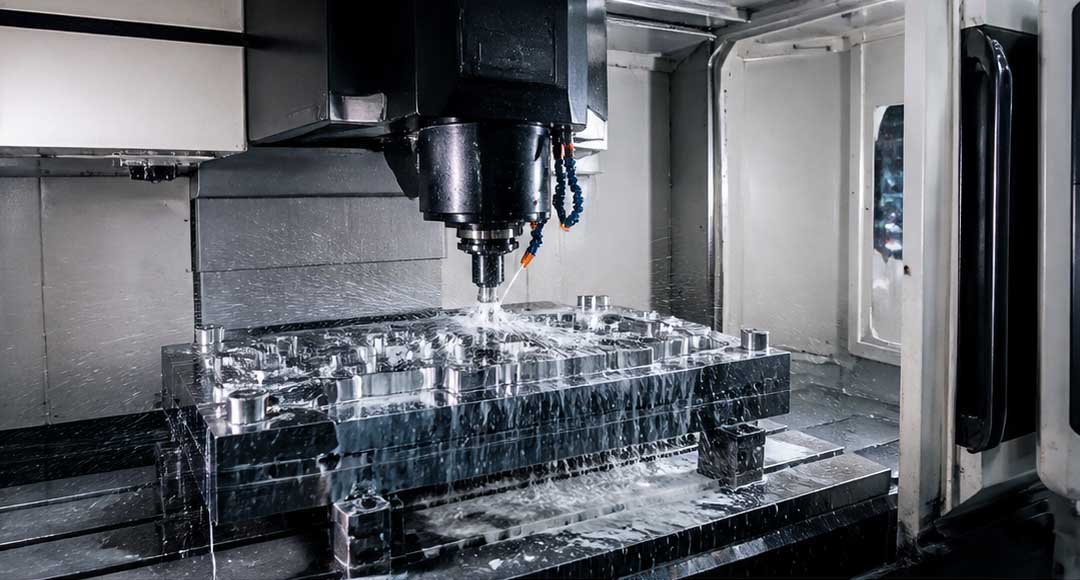
Medical manufacturers expect more from silicone components today. Parts must stay clean, dimensionally stable, and reliable during long production cycles. That sounds simple. In reality, silicone molding becomes difficult very quickly.
Inside modern Medical LSR Injection Molding projects, one tiny tooling issue may create flash, bonding failure, or sealing problems across thousands of parts. That risk grows even faster during automated medical production.
Because of that, experienced suppliers focus heavily on process control instead of marketing claims.
Why Flash Control Matters in Medical Silicone Molding
Liquid silicone flows very easily. While that helps cavity filling, material can also escape through microscopic mold gaps.
That creates flash.
For medical products, flash causes several problems:
- sealing failure
- contamination risk
- manual trimming cost
- assembly inconsistency
- rejected batches
In many healthcare applications, manual trimming becomes unacceptable. Respiratory masks, silicone valves, and wearable medical devices often require clean flash-free edges directly from tooling.
That’s why experienced mold engineers spend large amounts of time optimizing:
- venting systems
- mold shutoff precision
- clamp stability
- injection pressure
- cavity balance
Good flash prevention starts before production begins.
How Cold Runner Systems Improve LSR Injection Molding
Cold runner systems changed medical silicone molding dramatically.
Unlike older molding methods, cold runner tooling keeps uncured silicone at lower temperature before entering heated cavities. That reduces material waste and improves shot consistency.
For high-volume production, this matters a lot.
Benefits include:
- lower silicone waste
- more stable filling
- improved automation
- reduced cycle variation
- cleaner demolding
Again, consistency becomes key during medical manufacturing.
Especially inside cleanroom environments.
Why 2-Shot Molding Keeps Growing
Many medical devices combine rigid plastic with soft silicone surfaces. Traditional assembly methods usually require extra labor and alignment work.
With 2-shot molding or overmolding, manufacturers inject silicone directly onto another substrate during production.
Applications include:
- wearable sensors
- surgical handles
- respiratory components
- diagnostic equipment
- sealing systems
However, bonding success depends heavily on engineering details. Material compatibility, mold temperature, surface preparation, and transfer timing all affect final performance.
A lot of suppliers underestimate that.
Medical Cleanroom Molding Requires More Than Machines
Buyers often focus only on molding equipment. Cleanroom discipline matters equally.
Inside medical cleanroom molding operations, teams monitor:
- airborne particles
- operator handling
- material storage
- packaging flow
- contamination pathways
Even small contamination issues may create validation failures later.
At xflsrmolding, production teams also emphasize automated handling whenever possible. Robotic demolding helps reduce operator contact while improving repeatability across long production runs.
That becomes especially important for small silicone valve manufacturing projects and micro medical components.
Final Thoughts
Medical silicone molding rarely succeeds through tooling alone. Stable production depends on mold design, flash prevention strategy, material control, and process consistency working together.
Experienced LSR injection molding teams understand that reliable manufacturing comes from controlling hundreds of small variables before defects appear.
Because eventually, customers care less about molding theory and more about receiving clean, repeatable parts that perform correctly every single time.