Paieška
Uždarykite šį paieškos langą.

Tinklaraštis

What Is LSR 2 Shot Injection Molding and How It Works

Table of Contents

LSR 2 shot injection molding allows manufacturers to combine liquid silicone rubber molding with thermoplastics inside one automated cycle. This method solves bonding problems while cutting assembly steps. Therefore many buyers choose lsr 2 shot injection molding for medical devices cosmetic packaging and precision seals.

Because product expectations keep rising buyers now demand better sealing softer touch and cleaner production. As a result lsr 2 shot injection molding keeps gaining traction across regulated industries.

What Is LSR 2 Shot Injection Molding

Core definition of lsr 2 shot injection molding

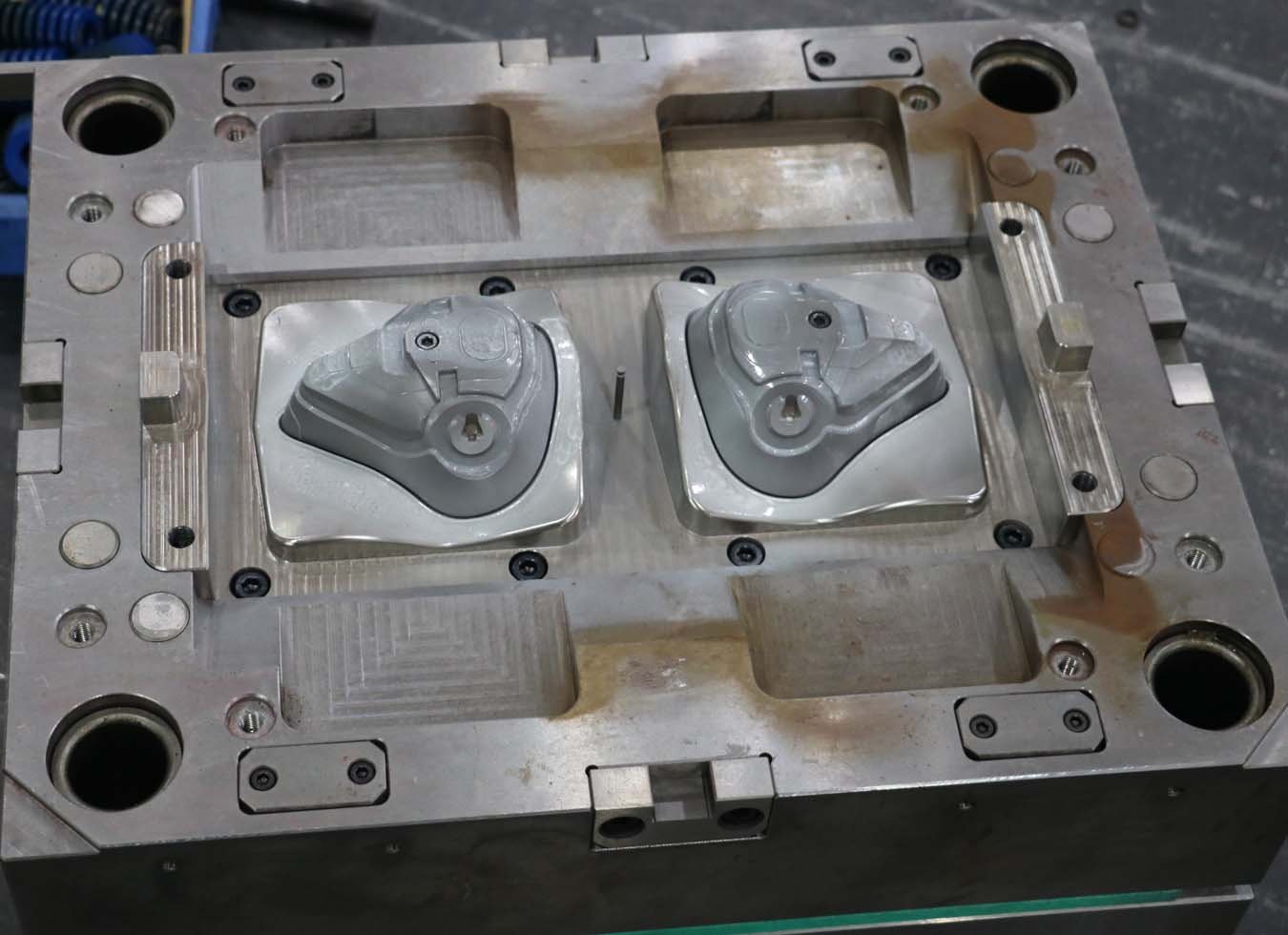
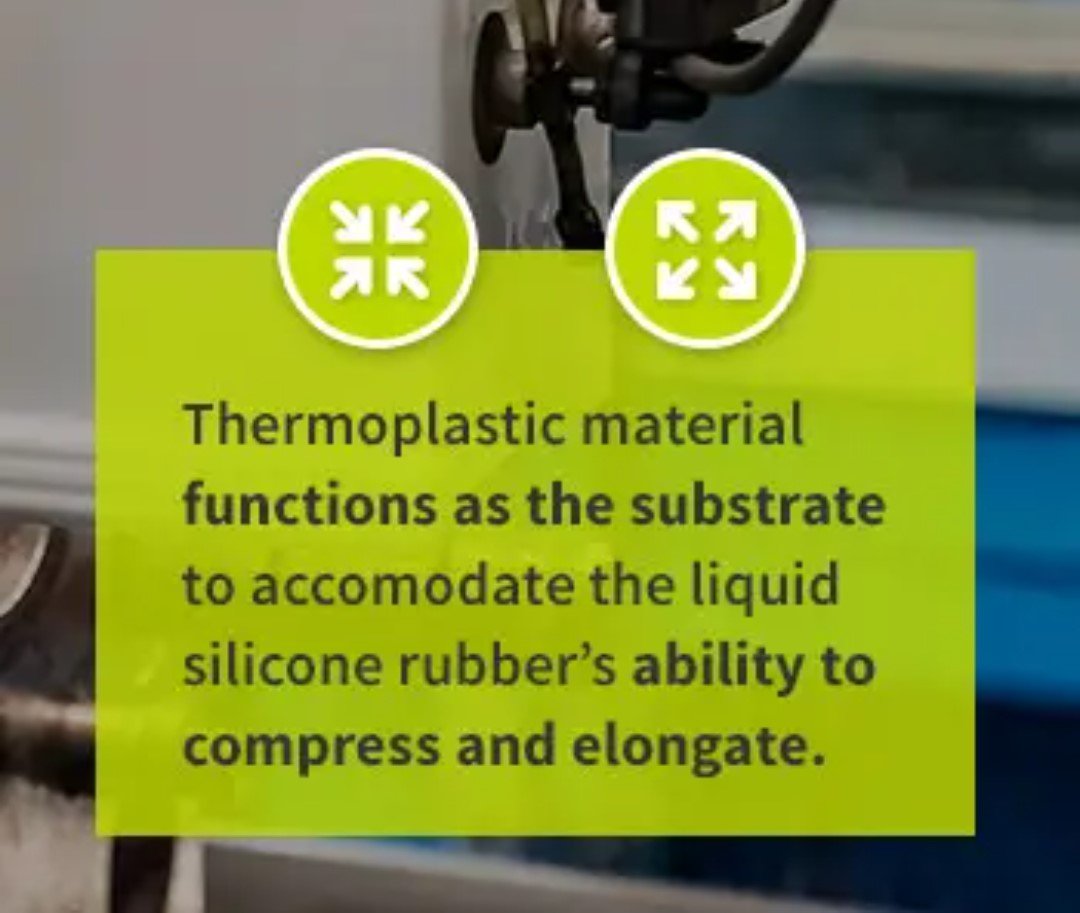
LSR 2 shot injection molding forms two materials within one mold during one production cycle. First shot injects plastic substrate. Second shot applies liquid silicone rubber molding directly onto surface. Bonding occurs without glue.

Consequently finished parts exit mold fully assembled. Manual labor drops sharply. Dimensional repeatability improves.

Why buyers choose this process

Buyers often struggle with leaks delamination and slow assembly. Therefore lsr 2 shot injection molding removes adhesive failure risk. Production speed increases. Part quality remains stable across large volumes.

What Is Multi-shot Injection Molding

Understanding multi-shot molding basics

Multi-shot injection molding means injecting two or more materials sequentially inside one mold. Each material plays separate functional role. Silicone offers flexibility. Plastic offers structure.

As a result products gain multiple properties without secondary operations.

How multi-shot differs from overmolding

Overmolding usually happens in two machines or two steps. Multi-shot molding keeps process inside one press. Therefore cycle time shrinks and alignment accuracy improves.

Multi-shot Injection Molding Manufacturing Techniques

Rotary platen molding

Rotary platen systems rotate mold between shots. First cavity forms plastic. Second cavity receives silicone. This method suits high volume automation.

Therefore many lsr injection molding companies prefer rotary platens for stable output.

Index plate technology

Index plates slide mold halves between injection units. Alignment remains precise. Tooling cost stays moderate.

This method works well for medium complexity projects.

Core back molding

Core back systems move internal mold sections during cycle. Plastic shape changes before silicone shot. Designers gain freedom for complex geometry.

However tooling design demands experience.

LSR Injection Molding Process Inside Two-Shot Production

Step one plastic injection

Plastic substrate forms first. Material cools partially. Surface remains receptive for silicone bonding.

Resins like PP PC or PBT often pair well.

Step two silicone injection

Liquid silicone rubber molding follows immediately. Silicone flows smoothly into interface zones. Chemical bonding occurs during cure.

Because timing stays precise bond strength remains high.

Demolding and inspection

Robotic arms remove finished parts. No glue curing required. Visual inspection confirms seal integrity.

Thus output stays consistent.

Benefits of LSR 2 Shot Injection Molding for Buyers

Strong material bonding

Chemical bonding eliminates peel risk. Parts survive repeated flexing. That matters for valves seals and buttons.

Buyers avoid field failures.

Fewer assembly steps

Two materials combine inside mold. Assembly labor disappears. Production lines simplify.

Therefore total cost per part often drops.

Clean manufacturing

Liquid silicone rubber molding supports closed systems. No adhesives release fumes. Cleanroom compatibility improves.

Medical projects benefit greatly.

Design freedom

Engineers place soft zones exactly where needed. Grip texture improves. Sealing lips form precisely.

Product differentiation increases.

Applications Using LSR 2 Shot Injection Molding

Medical devices

Drug delivery valves syringe seals and wearable housings use this method. Biocompatibility matters here.

LSR bonds securely onto plastic housings.

Consumer electronics

Buttons gaskets and waterproof seals benefit from soft silicone zones. Devices survive moisture exposure.

Assembly speed matters for electronics brands.

Cosmetic packaging

Flip caps pump seals and applicators gain premium feel. Liquid silicone rubber molding improves tactile response.

Leak prevention improves shelf appeal.

Design Tips for 2 Shot Injection Molding Success

Material compatibility first

Not all plastics bond equally with silicone. Choose resins tested for silicone adhesion.

Consult lsr injection molding companies early.

Control wall thickness

Even silicone flow matters. Sudden thickness changes cause air traps. Uniform sections cure faster.

Designers should simplify geometry.

Gate location planning

Gate placement affects bond quality. Silicone should enter bonding zones smoothly.

Simulation tools help avoid trial errors.

Venting strategy

Air must escape cleanly. Poor venting causes voids. Micro vents support better surface finish.

Tooling precision matters here.

Cost Factors Buyers Should Evaluate

Tooling investment

Two-shot molds cost more initially. However automation offsets expense during volume runs.

Long term ROI remains strong.

Production volume

High volume projects benefit most. Low volume programs may struggle recovering tooling cost.

Volume forecasts guide decision.

Quality risk reduction

Assembly defects vanish. Warranty claims drop. Customer satisfaction rises.

Hidden savings often outweigh tooling spend.

Choosing Reliable LSR Injection Molding Companies

Engineering support depth

Good partners review designs early. They suggest material pairings and gate changes.

That avoids costly revisions.

Tooling experience

Two-shot tooling requires precision alignment. Experience reduces trial cycles.

Ask for similar project examples.

Process validation

Medical buyers require documentation. Reputable suppliers provide IQ OQ PQ records.

Compliance protects product launches.

When LSR 2 Shot Injection Molding May Not Fit

Very low production volume

Prototype runs may favor simpler overmolding. Tooling cost may outweigh benefit.

Evaluate lifecycle demand carefully.

Extreme part thickness

Very thick silicone sections cure slowly. Single shot molding may work better.

Design review clarifies limits.

Future Trends in LSR Multi-shot Technology

Automation continues rising. Micro part demand grows. Clean manufacturing remains priority.

Therefore lsr 2 shot injection molding will expand across healthcare consumer goods and electronics markets.

Suppliers investing early gain advantage.

Final Thoughts for Buyers

LSR 2 shot injection molding solves bonding assembly and quality challenges in one controlled process. Buyers gain consistency speed and design freedom. However success depends on correct material pairing and experienced manufacturing partners.

Early consultation saves cost later.

Paprašykite greito pasiūlymo

Pasikalbėkime