
 Korean
  English
  German
  Spanish
  Italian
  Russian
  Arabic
  Japanese
  French
  Dutch
Dutch  Danish
  Norwegian
  Portuguese
  Turkish
  Czech
Czech  Lithuanian
  Polish
  Slovenian
How to Select LSR Injection Molding Materials and Control Mass Production Costs
Table of Contents
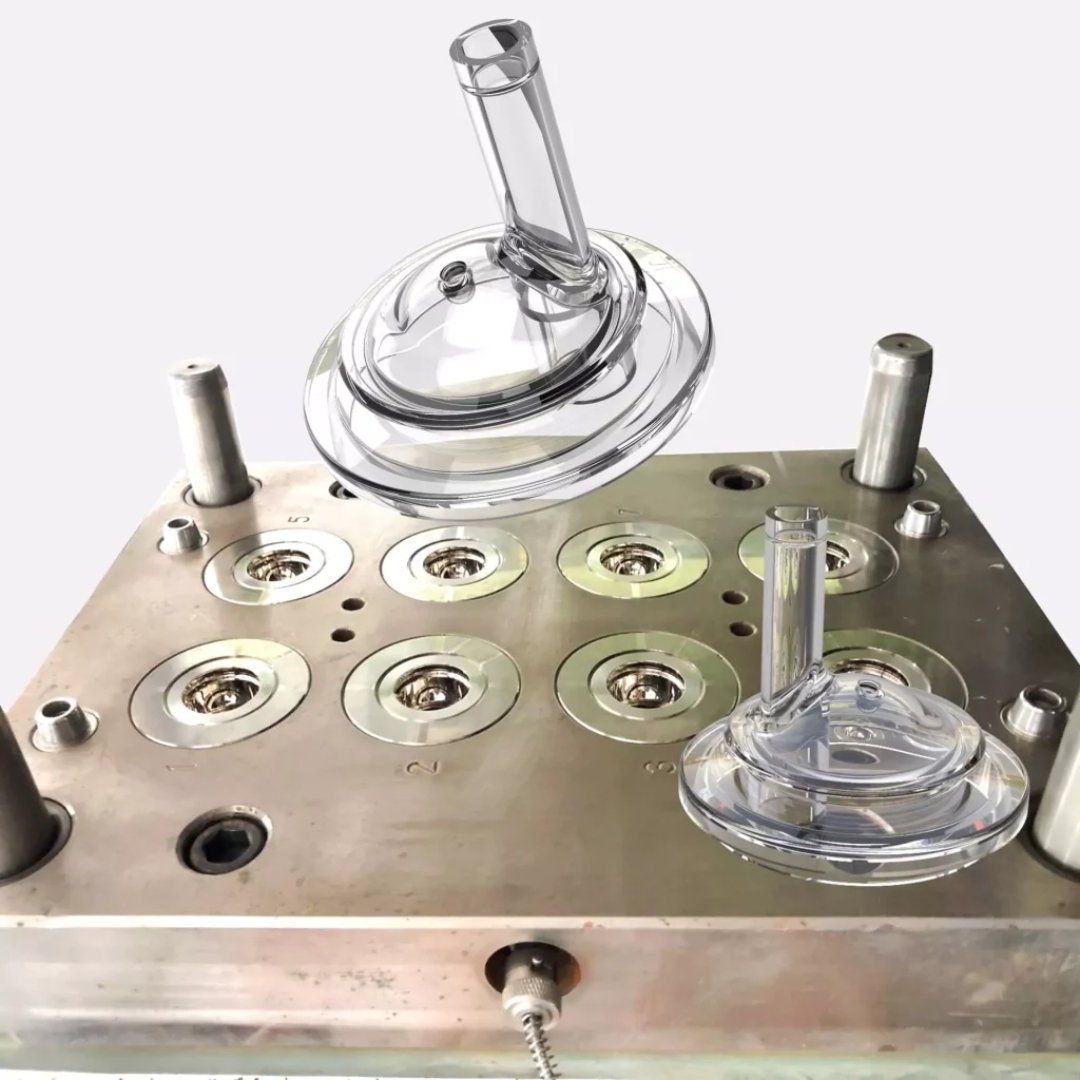
LSR injection molding stands at center stage for medical parts, mobility components, consumer goods, and sealed electronics. However, smart results never appear by accident. Instead, success grows from careful material choice combined with clear cost control during scale production. Therefore, learning how LSR injection molding materials behave helps teams avoid waste while protecting product quality. Meanwhile, understanding cost drivers inside mass manufacturing allows better planning and stronger margins from first run through full output.
Many buyers rush material decisions early. Consequently, budgets often balloon later. Fortunately, this guide explains practical methods that align performance targets with realistic spending limits. Moreover, examples reflect how experienced lsr injection molding companies manage raw material strategy without sacrificing precision or reliability.
Understanding LSR Injection Molding for Cost-Sensitive Projects
LSR injection molding uses two-part platinum-cured silicone processed through automated equipment. As a result, parts exit molds with stable dimensions and clean surfaces. Meanwhile, cycle speed supports high-volume output when projects suit automation.
However, this method fits certain goals better than others. Therefore, understanding process limits avoids costly mismatch between production volume and tooling investment. Additionally, early planning improves long-term unit economics.
How to Make the Right Material Selection for Custom Silicone Projects
Material choice defines final performance more than any other decision. Consequently, teams must examine application demands before selecting any grade. Moreover, material cost often multiplies through scrap loss and cycle inefficiency.
Start With Functional Requirements
First, define real use conditions. Temperature exposure matters. Chemical contact matters. Compression recovery also matters. Therefore, clarity at this stage prevents later redesign.
Ask direct questions early:
Will parts face oil fuel or cleaning agents
Does sealing rely on long-term elasticity
Will compression stay constant or cycle repeatedly
Answers guide material screening quickly.
Match Material Hardness With Product Behavior
Hardness selection affects sealing force tear strength and tactile feel. Softer grades flex easily yet deform faster. Harder grades resist wear yet demand higher clamping pressure.
Therefore, balance performance with mold stress and cycle time.
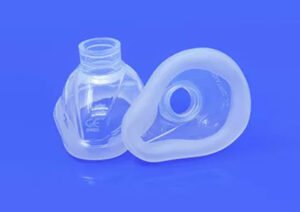
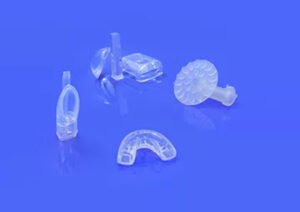
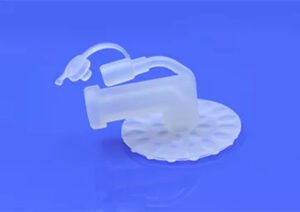
Key Points When Selecting Raw Materials for LSR Injection Molding
Selecting raw materials requires more than datasheet comparison. Instead, buyers should examine how materials behave inside real molds during sustained runs.
Viscosity and Flow Behavior
Low viscosity materials fill thin walls smoothly. However, flashing risk increases. Conversely, higher viscosity improves edge control but raises injection pressure. Therefore, mold design and material must align closely.
Curing Speed and Cycle Time
Fast curing reduces cycle length. However, heat control becomes critical. Therefore, consistent temperature regulation protects repeatability during mass output.
Post-Cure Requirements
Some grades require post-curing for volatile removal. Consequently, energy cost increases. Thus, material choice affects downstream operations.
Common LSR Injection Molding Materials Used in Production
LSR materials vary widely despite similar appearance. Each grade supports different goals across industries.
General-Purpose LSR
These grades serve consumer goods and simple seals. Cost remains moderate. Processing stays forgiving. Therefore, beginners often start here.
High-Temperature Resistant LSR
These materials withstand extreme heat. Automotive and power systems favor such grades. However, raw material price rises.
Medical-Grade LSR
Medical grades meet biocompatibility rules. Purity standards remain strict. Consequently, pricing increases but regulatory compliance improves.
Self-Lubricating LSR
These grades reduce friction without grease. Dynamic seals benefit greatly. However, compound selection becomes narrower.
Main Characteristics of Various LSR Injection Molding Materials
Understanding differences helps buyers avoid over-specifying materials.
Elastic recovery defines sealing stability
Tear strength controls assembly durability
Thermal resistance supports engine or battery zones
Chemical resistance protects against oils and fuels
Therefore, material evaluation must align with real usage instead of theoretical extremes.
LSR Injection Molding Process Factors That Affect Cost
Material selection alone cannot control expenses. Instead, process design amplifies or reduces cost impact.
Tooling Design Compatibility
Poor runner design wastes material. Flash increases trimming labor. Therefore, tooling must match material behavior precisely.
Automation Level
Automation lowers labor cost but raises upfront investment. Consequently, break-even volume matters greatly.
Scrap Rate Management
Even premium materials lose value through waste. Thus, monitoring flash cold runners and purge losses becomes essential.
Before Choosing LSR Injection Molding: Volume Suitability Matters
LSR injection molding favors medium and high volumes. Therefore, low-volume projects often struggle under tooling cost pressure.
If annual demand remains small alternative silicone processes may fit better. However, once volume rises automation rewards consistency quickly.
Thus, honest forecasting prevents disappointment later.
How Mass Production Costs Accumulate in LSR Injection Molding
Cost grows through many small drivers rather than one major factor.
Raw material price per kilogram
Cycle time per shot
Tool maintenance frequency
Energy consumption
Quality inspection labor
Therefore, holistic planning saves more money than aggressive material downgrading alone.
Strategies to Control Mass Production Costs Effectively
Smart teams use layered strategies rather than single fixes.
Optimize Material Grade Instead of Downgrading
Switching from premium medical grade without need saves instantly. However, never compromise functional safety. Instead, select appropriate certification level.
Improve Mold Efficiency
Shorter runners reduce waste. Balanced cavities improve fill. Consequently, unit cost drops quietly.
Reduce Over-Engineering
Avoid selecting extreme performance margins. Real use data matters more than theoretical peaks.
Make the Right Choice for Your Project Goals
Every project balances cost performance and compliance differently. Therefore, material choice must support business goals rather than engineering pride alone.
Ask:
What failure risk truly exists
What tolerance range remains acceptable
What annual volume drives automation payoff
Clear answers shape material strategy confidently.
How LSR Injection Molding Companies Support Better Decisions
Experienced lsr injection molding companies bring value beyond manufacturing. Material trials reveal behavior before mass production. Process simulations highlight risks early.
Therefore, collaboration reduces guesswork and protects budgets.
ABOUT Flash-Free Liquid Silicone Rubber Mold
Flash-free mold design controls material flow with precision shut-off surfaces. Consequently, trimming disappears. Scrap drops. Visual quality improves.
However, tooling complexity rises. Therefore, flash-free molds suit high-volume programs where savings compound rapidly.
How Elimold Helps Balance Precision and Cost
Elimold supports material selection through testing mold flow evaluation and cost modeling. Therefore, customers see tradeoffs clearly before tooling begins.
Additionally, Elimold aligns mold design with chosen material behavior. Consequently, production remains stable across long runs without quality drift.
Why Long-Term Cost Control Beats Short-Term Savings
Short-term material discounts often hide future losses. Tool wear scrap labor and downtime quietly erode savings. Therefore, sustainable cost control focuses on consistency.
Smart material choice paired with optimized tooling delivers predictable output year after year.
Final Thoughts on LSR Injection Molding Success
LSR injection molding rewards careful planning more than rushed decisions. Material choice influences cost quality and scalability simultaneously. Therefore, success depends on aligning product needs volume expectations and manufacturing discipline.
With informed choices and experienced partners mass production becomes predictable efficient and profitable.