 Japanese
  English
  German
  Spanish
  Italian
  Russian
  Arabic
  Korean
  French
  Dutch
Dutch  Danish
  Norwegian
  Portuguese
  Turkish
  Czech
Czech  Lithuanian
  Polish
  Slovenian
 Liquid Silicone Injection Molding: Cold Runner vs Hot Runner Systems
目次
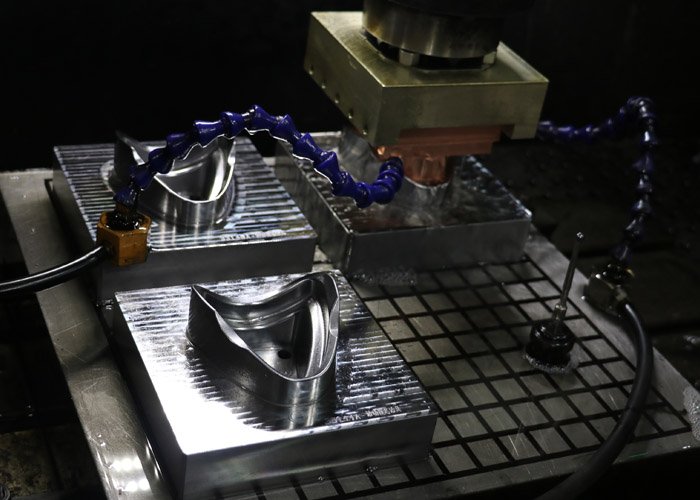
Liquid Silicone Injection Molding has become one of the most advanced methods for producing precision silicone components. Many industries rely on this process for parts requiring flexibility, durability, and stable performance under extreme conditions.
Compared with traditional molding technologies, liquid silicone molding offers faster production cycles and better dimensional control. Because of these advantages, manufacturers widely use it in medical devices, baby products, electronics, and sealing components.
Understanding different runner systems and production methods helps engineers choose the right molding solution for each application.
What Is Liquid Silicone Injection Molding?
Liquid Silicone Injection Molding refers to a manufacturing process where liquid silicone rubber (LSR) materials are injected into heated molds. Once inside mold cavities, silicone begins curing through vulcanization.
This process allows manufacturers to produce high-precision silicone parts with consistent quality.
Two main runner systems are commonly used:
Cold runner system
Hot runner system
Each design affects material efficiency, tooling cost, and production control.
Cold Runner Systems in Liquid Silicone Injection Molding
Cold runner molds are widely used for precision silicone manufacturing.
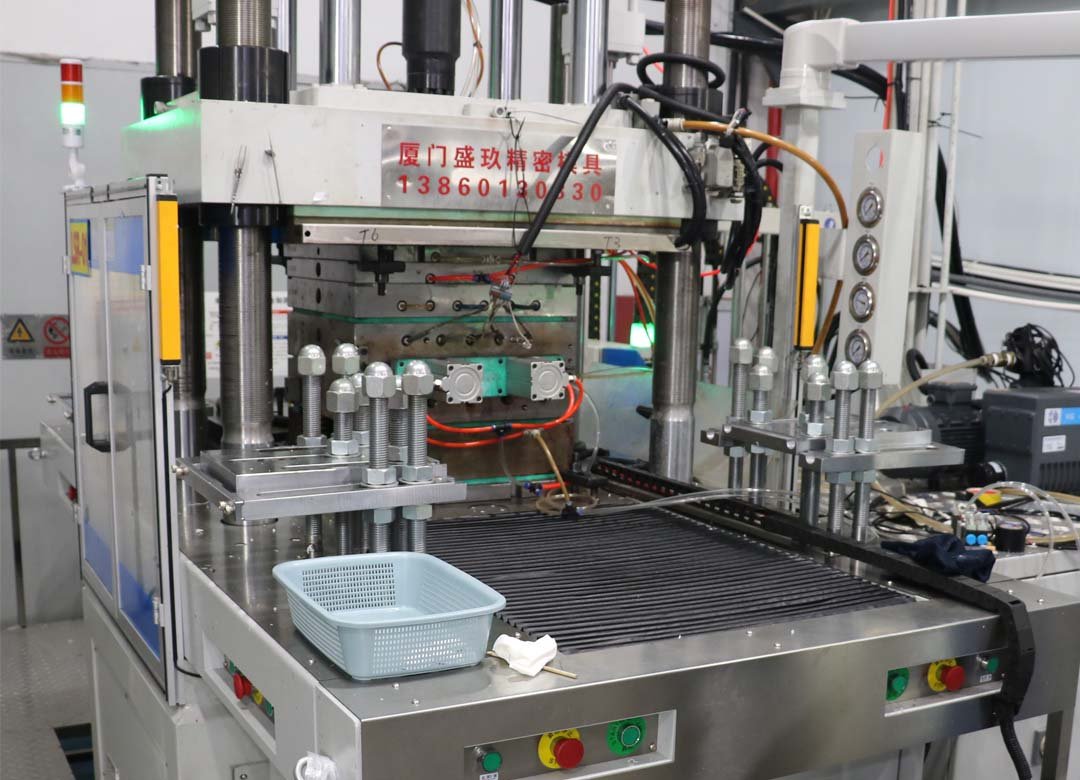
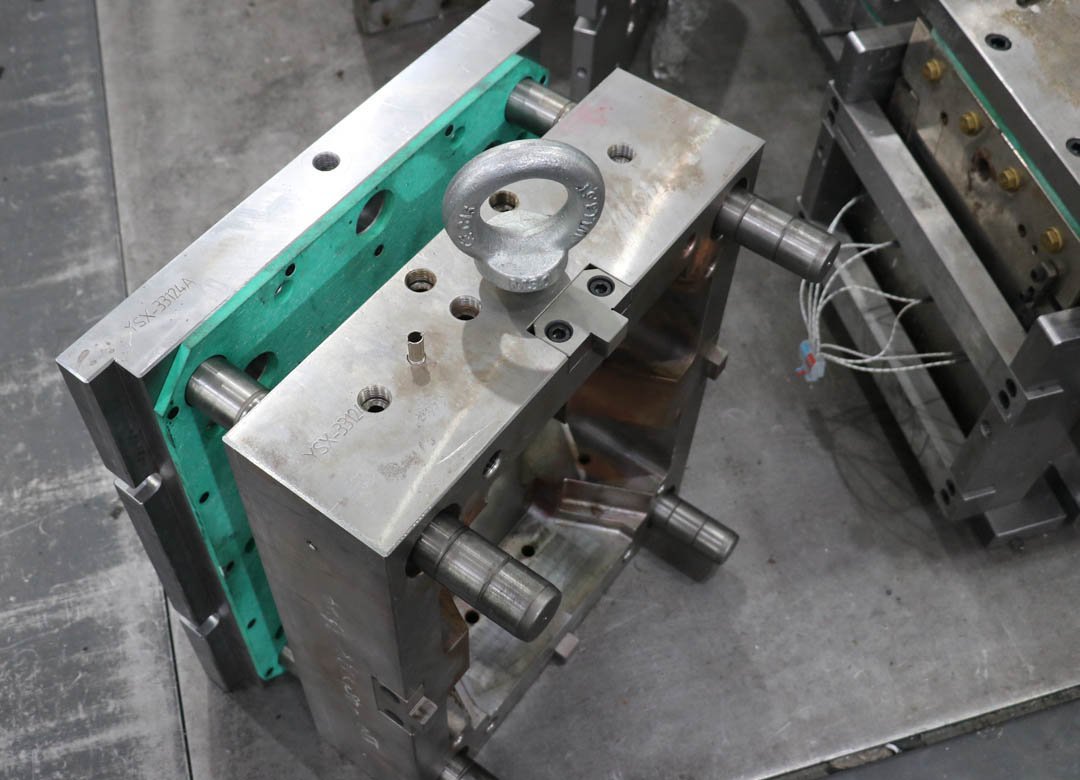
In this design, liquid silicone rubber remains at low temperature inside runner channels before entering heated cavities. Specialized valves help control material flow and injection accuracy.
Key Components of Cold Runner Systems
Cold runner systems typically include:
Shut-off valves
Needle valves
Distributive mixing units
These components maintain silicone material stability before injection begins.
Once material enters heated cavities, vulcanization starts immediately.
Advantages of Cold Runner Liquid Silicone Injection Molding
Cold runner technology provides several benefits for precision silicone production.
Higher Injection Accuracy
Needle valves allow accurate control of silicone injection dosage.
Reduced Material Waste
Cold runner molds minimize flashing and reduce material loss.
Lower Post-Processing Costs
Because flashing remains limited, manufacturers spend less time trimming silicone parts.
Suitable for Automated Production
Cold runner systems support advanced automation including:
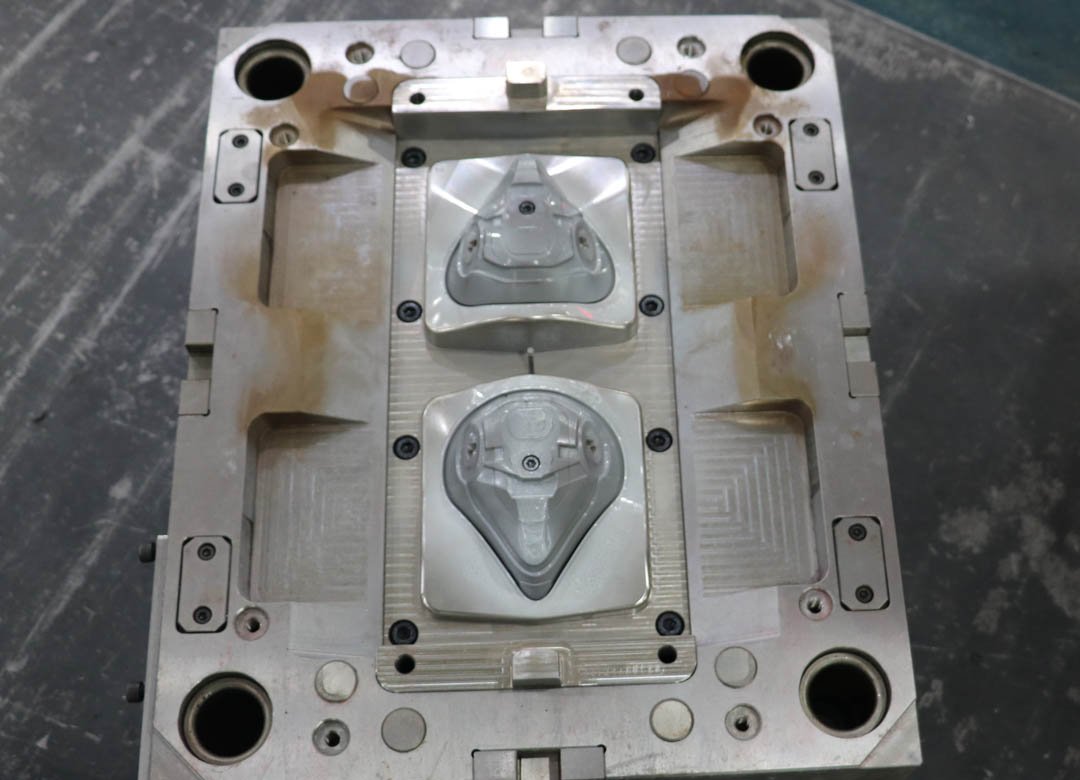
multi-cavity molds
two-shot molding
silicone overmolding with plastic components
This helps improve efficiency during large-scale manufacturing.
Disadvantages of Cold Runner Systems
Cold runner molds require more complex tooling structures.
Each cavity often needs its own needle valve. These components significantly increase mold cost.
For example, a mold containing four cavities may require four separate needle valves. This raises the total tooling investment.
However many manufacturers still choose cold runner systems because of their superior precision.
Hot Runner Liquid Silicone Injection Molding
Hot runner molds offer a simpler structure compared with cold runner systems.
These molds typically operate without needle valves or shut-off valves. Instead they rely mainly on mixing systems and feeding mechanisms.
Because of the simplified design, hot runner molds usually cost less to build.
When to Use Hot Runner Silicone Molds
Hot runner systems work well for certain types of silicone products.
Typical situations include:
low production volume
products without strict tolerance requirements
projects requiring lower tooling investment
Common applications include baby care accessories and cosmetic components.
Many consumer brands choose hot runner molds during early product development stages.
Applications of Liquid Silicone Injection Molding
Liquid silicone molding technology serves many industries because silicone materials offer excellent mechanical and environmental properties.
Below are several common application areas.
Baby Care Silicone Products
Silicone injection molding plays an important role in baby care product manufacturing.
Examples include:
silicone baby bottle nipples
breast pump components
liquid silicone baby feeders
silicone baby toothbrushes
finger toothbrushes
teething toys
Silicone materials provide softness flexibility and food-grade safety. These characteristics make them ideal for infant products.
Medical Silicone Components
Medical equipment manufacturers often rely on liquid silicone injection molding because silicone materials maintain stability during long-term use.
Common medical applications include:
silicone breathing masks
oxygen masks
silicone seals and gaskets
silicone cushions
silicone cannulas
medical nose components
Medical grade silicone also supports sterilization processes and biocompatibility requirements.
Why Silicone Seals and Gaskets Use Liquid Silicone Injection Molding
Sealing components require accurate dimensions and stable material performance.
Liquid silicone rubber offers several advantages for these applications.
Wide Temperature Resistance
Silicone materials withstand temperatures ranging from −155°F to 400°F.
Excellent Flexibility
Silicone maintains elasticity even after repeated compression.
Adjustable Hardness
Liquid silicone materials normally range between 10 and 80 Shore A hardness.
Strong Insulation Properties
Silicone works well in electrical applications because of its insulating capability.
Weather Resistance
Silicone materials resist UV radiation ozone moisture and aging.
Chemical Resistance
Liquid silicone performs well against water mild acids and some oxidizing chemicals.
Dimensional Stability
Silicone injection molded parts maintain accurate shapes even for complex designs.
Advantages Over Compression Molding
Liquid silicone injection molding provides several improvements compared with compression molding methods.
Higher Precision
Precision molds can achieve tolerances around ±0.02 mm.
Faster Production Cycles
Typical molding cycles may reach approximately 15 seconds, allowing efficient mass production.
Cleaner Manufacturing
Injection molding reduces contamination risk and supports automated processes.
Consistent Product Quality
Automated dosing systems maintain stable injection volume across production batches.
Selecting the Right Liquid Silicone Injection Molding Partner
Choosing an experienced molding supplier helps manufacturers avoid production problems.
When evaluating suppliers, consider these factors:
experience with LSR materials
mold design capability
automation level
quality control systems
ability to support complex geometries
A capable manufacturer can provide engineering support from prototype development through full production.
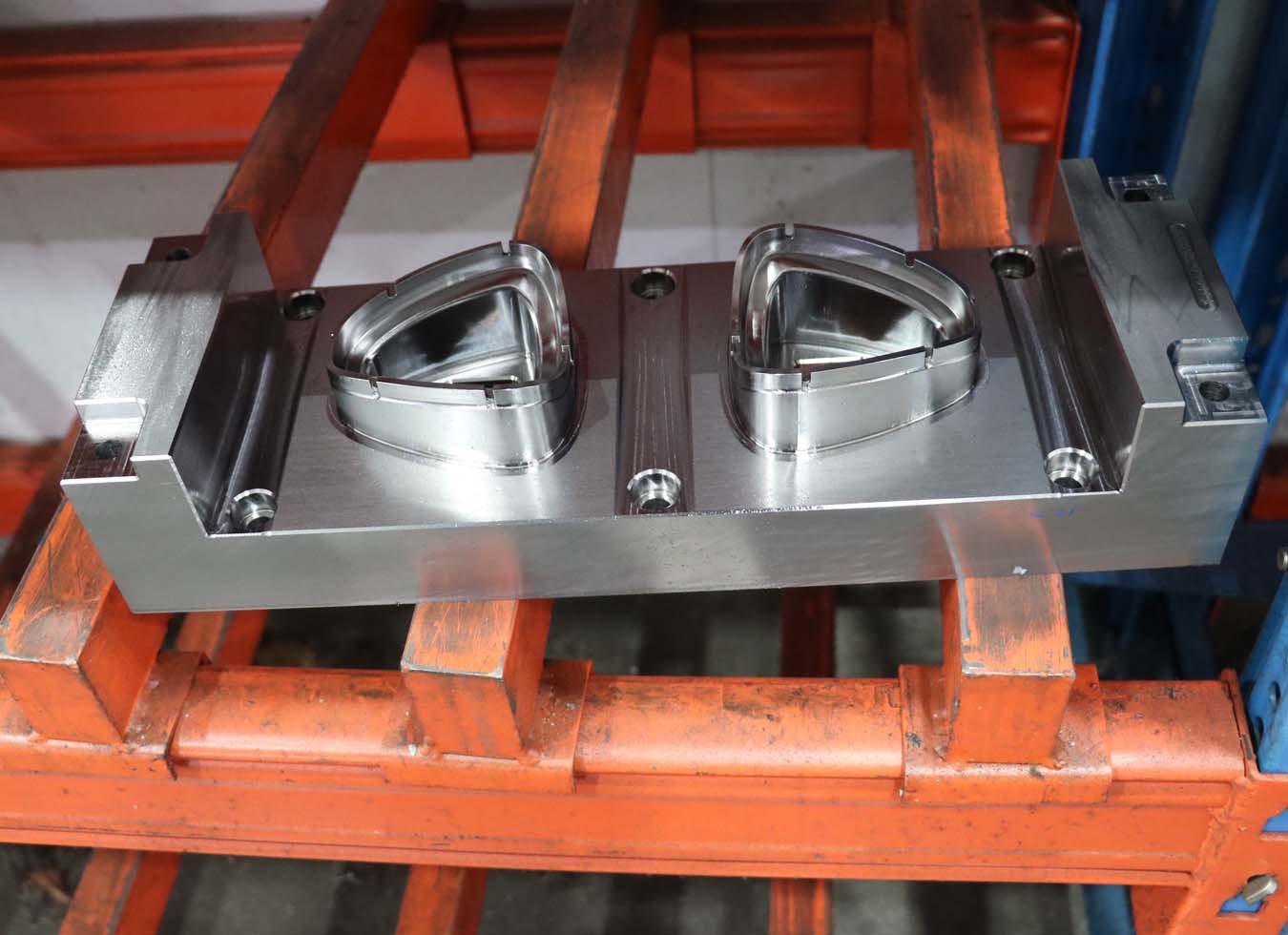
Liquid Silicone Injection Molding continues gaining popularity across many industries. Manufacturers value this process because it offers precision efficiency and excellent material performance.
Cold runner systems deliver higher accuracy while hot runner molds provide cost advantages for certain projects. Selecting the right system depends on product design tolerance requirements and production volume.
For companies developing silicone components, understanding these technologies helps reduce production risk and improve long-term product reliability.
A specialized manufacturer such as 徐福, which focuses on LSR molding technology, can assist with mold development and high-quality silicone component production.