 Japanese
  English
  German
  Spanish
  Italian
  Russian
  Arabic
  Korean
  French
  Dutch
Dutch  Danish
  Norwegian
  Portuguese
  Turkish
  Czech
Czech  Lithuanian
  Polish
  Slovenian
 How to Reduce Lead Time in LSR 2 Shot Injection Molding Projects
目次
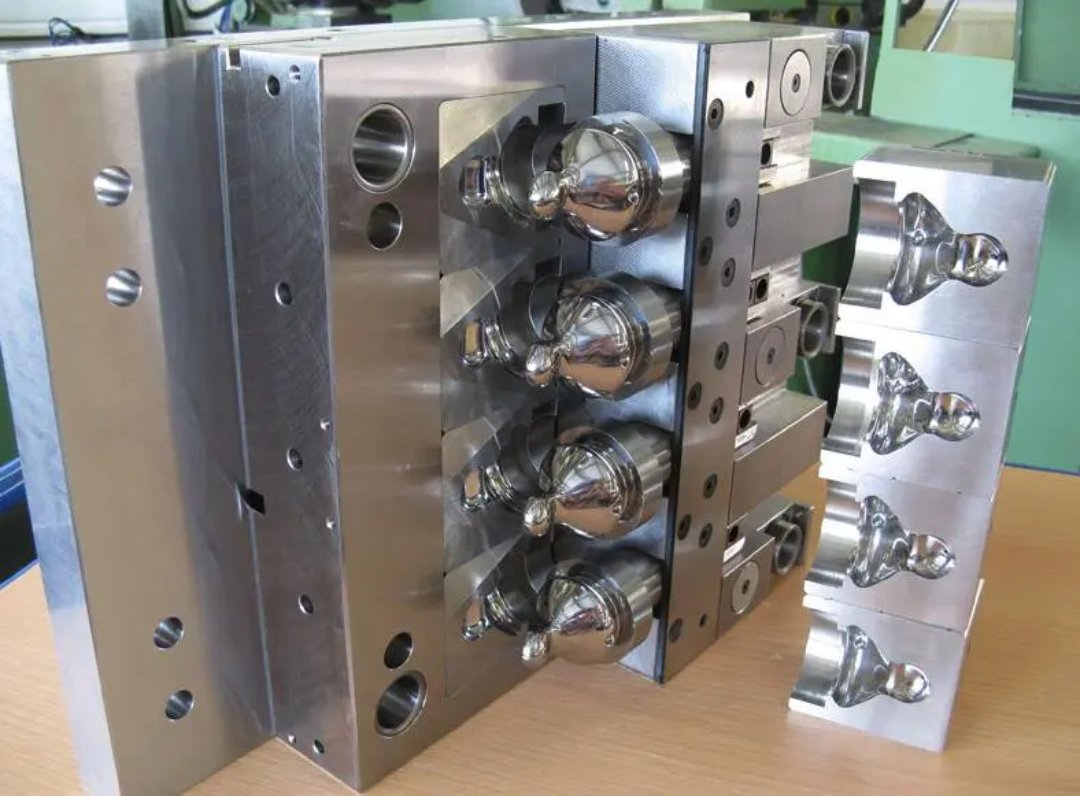
Basic Information About Liquid Silicone Rubber
Liquid silicone rubber belongs to a thermosetting elastomer group. Two-component silicone mixtures cure under heat during injection molding.
LSR materials typically include Part A silicone base plus Part B curing agent. Metering pumps blend both components inside injection system before material enters heated mold cavity.
Key features attract many industries:
high flexibility
wide operating temperature range
excellent chemical resistance
stable mechanical properties
medical grade biocompatibility
Because curing occurs rapidly inside heated molds production cycles often stay short compared with traditional rubber compression molding.
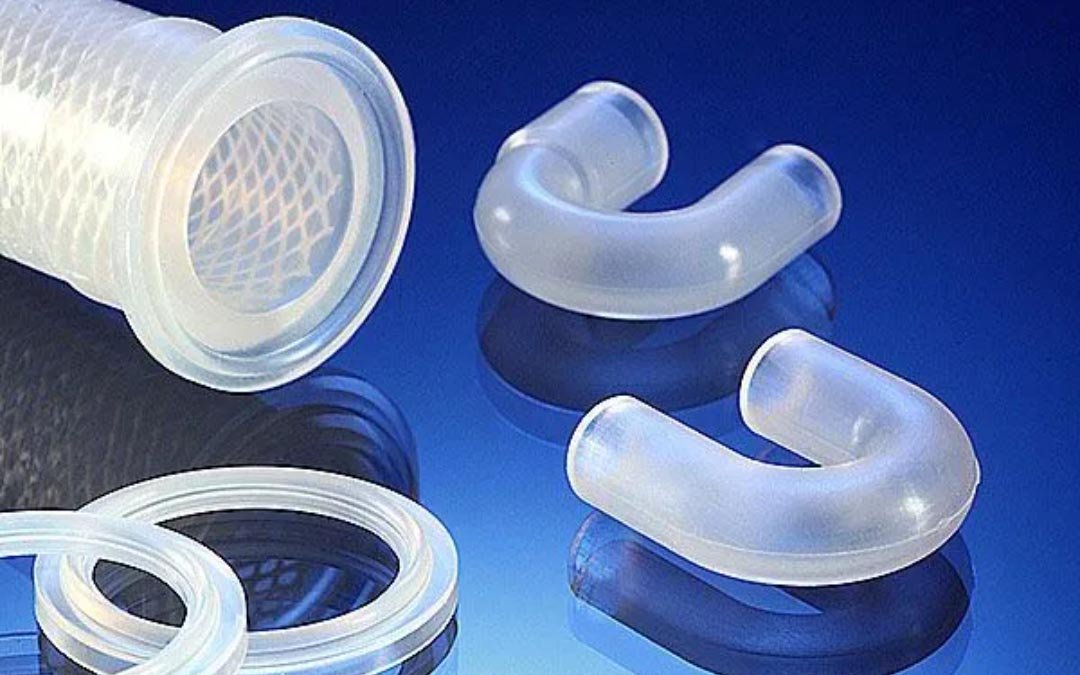
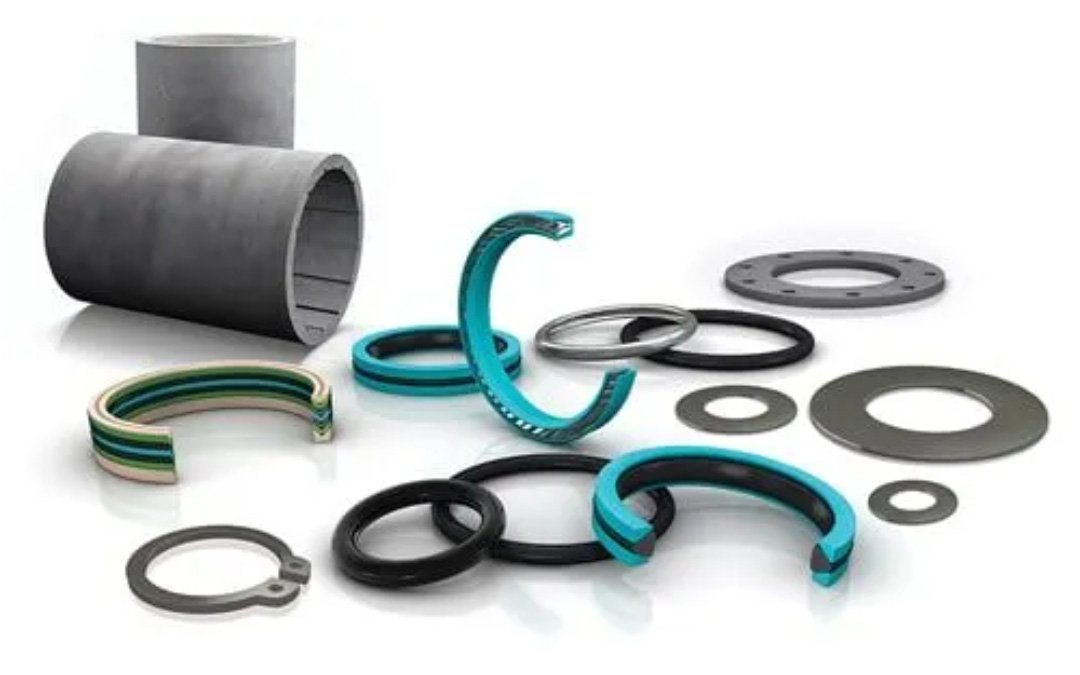
Consequently liquid silicone rubber molding supports high-volume manufacturing for seals medical components baby products and automotive connectors.
Advantages of Liquid Silicone Rubber Compared With Traditional Silicone Rubber
Traditional silicone compression molding once dominated rubber component manufacturing. However LSR injection technology now provides greater speed precision and automation potential.
Faster Production Cycles
Compression molding demands manual loading trimming and demolding operations. Production rhythm therefore remains slow.
In contrast liquid silicone rubber molding uses automated injection equipment. Cycle time often drops below one minute depending on part geometry.
Higher Dimensional Precision
LSR injection molds control cavity pressure precisely. As result molded components achieve tighter tolerances.
Medical valves sealing gaskets or wearable device parts often require dimensional stability within small ranges.
Better Automation Capability
Automation improves manufacturing efficiency dramatically.
Robotic demolding systems combined with LSR 2ショット射出成形 machines allow continuous production without heavy labor input.
Therefore companies reduce cost while increasing output.
Material Purity
LSR production systems use closed material feeding lines. External contamination rarely occurs.
This benefit suits pharmaceutical equipment medical masks oxygen components and baby care products.
Characteristics of LSR Materials and Manufacturing Processes
LSR materials behave differently from thermoplastics. Understanding these properties helps engineers shorten development time.
Low Viscosity Flow Behavior
Liquid silicone rubber flows easily inside micro cavities. Thin wall structures fill quickly.
Consequently complex geometries become feasible during liquid silicone rubber molding operations.
Rapid Heat Curing
Curing begins once silicone enters heated mold cavity. Crosslinking occurs through platinum catalyst reaction.
Short curing periods reduce cycle time which supports rapid manufacturing schedules.
Wide Temperature Stability
LSR parts maintain elasticity across extreme temperature ranges.
Typical range extends from −50°C through 200°C depending on formulation.
Because of such stability LSR components appear widely in automotive engine compartments outdoor electronics and medical sterilization environments.
Compatibility With Multi-Material Molding
Another advantage appears through LSR 2ショット射出成形.
This process bonds silicone directly onto thermoplastic substrates. Examples include:
silicone sealing rings over plastic housings
waterproof smartphone buttons
medical device handles
wearable electronics bands
Multi-material integration reduces assembly operations therefore shrinking manufacturing lead time.
Understanding Main Production Stages in LSR Injection Molding Projects
Before reducing manufacturing time engineers must examine entire production chain. Each phase influences project schedule.
Product Design Stage
Engineers first analyze product geometry material hardness sealing requirements and tolerance.
Poor design decisions cause mold redesign later which dramatically extends production cycles.
Design reviews therefore remain essential early in project development.
Prototype Development
Prototype samples validate structural integrity sealing performance and mechanical durability.
Rapid silicone prototype tools help engineers confirm feasibility before investing in hardened steel molds.
Tooling Manufacturing
Mold manufacturing consumes major portion of total lead time.
High precision CNC machining EDM processing and polishing operations require experienced technicians.
For LSR 2ショット射出成形 molds complexity increases because two material channels exist.
Material Preparation
LSR components require precise mixing ratio between Part A and Part B silicone.
Metering systems pump both materials into mixing chamber before injection.
Stable mixing ratio prevents curing defects.
Injection and Vulcanization
Injection unit delivers silicone mixture into heated cavities.
Heat activates crosslink reaction which forms elastic silicone structure.
After curing robotic systems eject finished parts.
Quality Inspection
Dimensional inspection visual checks and performance testing verify product reliability.
Medical grade components also undergo biocompatibility validation.
Operations That Shorten Manufacturing Time From Prototype to Mass Production
Reducing lead time requires optimization across design tooling and process engineering.
Early Design Collaboration
Manufacturers benefit from early communication with silicone molding specialists.
Engineers analyze draft angles wall thickness and sealing structures.
Better design reduces mold modification later which saves weeks during development.
ラピッド・ツーリング・テクノロジー
Modern CNC machining centers allow quick mold fabrication.
Some manufacturers produce prototype LSR molds within several days using aluminum tooling.
After design confirmation hardened steel molds follow for large production runs.
Integrated LSR 2 Shot Injection Molding Systems
Multi-component molding machines combine thermoplastic injection with silicone injection.
Such integrated process eliminates secondary assembly operations.
Consequently production lead time shortens dramatically.
Cold Runner Systems
Cold runner molds prevent unnecessary silicone waste.
Material remains uncured inside runner channels therefore reusable.
Besides saving materials cold runner technology improves cycle efficiency.
Automated Production Lines
Automation reduces manual intervention during demolding trimming and packaging.
Robotic arms extract parts directly from mold cavities.
As a result continuous manufacturing operates day and night.
Digital Production Monitoring
Modern injection molding machines include real-time monitoring software.
Temperature pressure injection speed and curing time remain constantly tracked.
Engineers therefore detect abnormalities early which prevents production delays.
How to Maintain Consistency of LSR Material Properties
Faster production must never sacrifice material quality. Consistent silicone properties guarantee reliable product performance.
Stable Material Storage
Liquid silicone rubber components require controlled storage environments.
Temperature fluctuations affect viscosity and curing behavior.
Manufacturers therefore store silicone drums inside climate-controlled rooms.
Accurate Metering Systems
Metering pumps deliver precise ratios for Part A and Part B silicone.
Even slight ratio deviations influence curing performance.
Regular calibration maintains material consistency.
Controlled Mold Temperature
Temperature control units maintain uniform heat distribution across mold cavities.
Stable mold temperature supports consistent curing across each production cycle.
Material Batch Traceability
Batch tracking systems record silicone lot numbers for every production run.
Traceability allows quick investigation if performance issues occur later.
Such traceability remains especially critical for medical silicone components.
Applications Benefiting From Fast LSR 2 Shot Injection Molding
Several industries demand rapid silicone component production.
Common applications include:
medical breathing masks
wearable electronics seals
waterproof consumer electronics buttons
automotive sensor gaskets
baby care feeding accessories
cosmetic dispensing valves
Each application benefits from silicone elasticity chemical resistance and temperature stability.
Meanwhile LSR 2ショット射出成形 reduces assembly complexity through integrated multi-material structures.
Conclusion
Shorter production cycles give manufacturers strong competitive advantage.
However success requires deeper understanding of liquid silicone rubber behavior injection equipment and mold design.
Companies that integrate early engineering collaboration rapid tooling automation and precise material control often complete projects far faster.
Liquid silicone rubber molding technology continues advancing rapidly.
Meanwhile LSR 2ショット射出成形 opens additional opportunities for complex multi-material products with fewer assembly steps.
As industries demand higher performance components silicone injection molding will remain essential for efficient manufacturing.