
 English
  German
  Spanish
  Italian
  Russian
  Arabic
  Korean
  Japanese
  French
  Dutch
Dutch  Danish
  Norwegian
  Portuguese
  Turkish
  Czech
Czech  Lithuanian
  Polish
  Slovenian
 How Controls Flash in Medical Lsr 2 Shot Injection Molding
Table of Contents
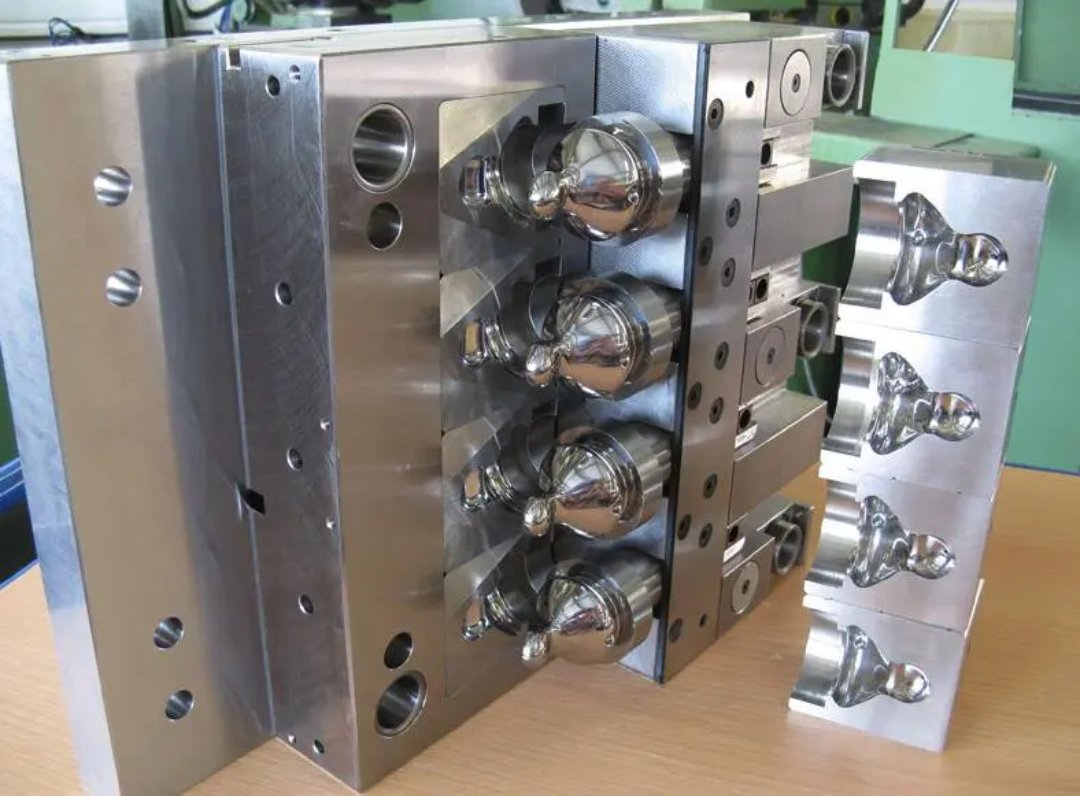
Medical silicone parts look simple from outside. Reality feels wildly different once production begins.
Tiny flash lines around a valve seal or respiratory gasket can trigger assembly failure. A microscopic silicone burr may block airflow. In surgical systems, even a faint silicone overflow sometimes causes sealing instability during sterilization cycles.
That explains why flash control remains one of the biggest headaches in medical Lsr 2 Shot Injection Molding.
We spoke with a senior production engineer from xflsrmolding about why medical silicone molding becomes difficult so quickly once precision requirements tighten. Conversation covered tooling, cleanroom processing, venting strategy, material flow behavior, automation, process windows, and why many projects fail before mass production even starts.
Interview Introduction
For this discussion, we interviewed Daniel Xu, a manufacturing and tooling manager overseeing medical silicone production programs at xflsrmolding.
His team works with liquid silicone rubber components used inside respiratory devices, wearable healthcare electronics, drug delivery assemblies, diagnostic systems, and overmolded medical housings.
Conversation below has been lightly edited for readability.
Why Flash Control Matters So Much in Medical Lsr 2 Shot Injection Molding
Q: People outside silicone manufacturing often underestimate flash problems. Why does flash become such a serious issue in medical molding?
Well… because medical parts behave differently from consumer products.
A cosmetic flash edge on a kitchen product might annoy somebody. A silicone flash edge inside a medical valve can interrupt airflow or sealing pressure. Entire risk profile changes immediately.
Another thing people miss involves assembly automation.
Medical factories increasingly use robotic assembly systems. Those systems expect repeatable geometry. Even tiny silicone overflow changes how components sit inside fixtures.
Again consistency becomes key.
With medical Lsr 2 Shot Injection Molding you also combine multiple materials or substrates during one production cycle. That adds more variables. Material shrinkage changes. Bonding pressure changes. Thermal behavior changes.
Suddenly flash control stops being just a tooling issue.
Now you manage an entire process ecosystem.
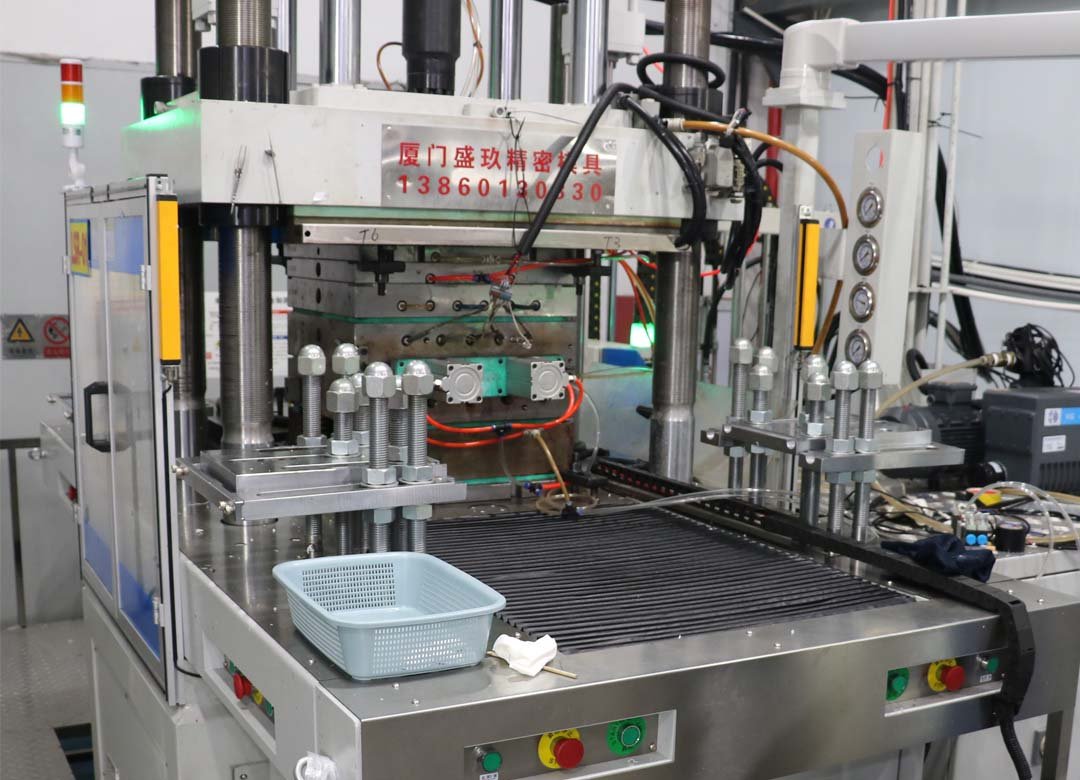
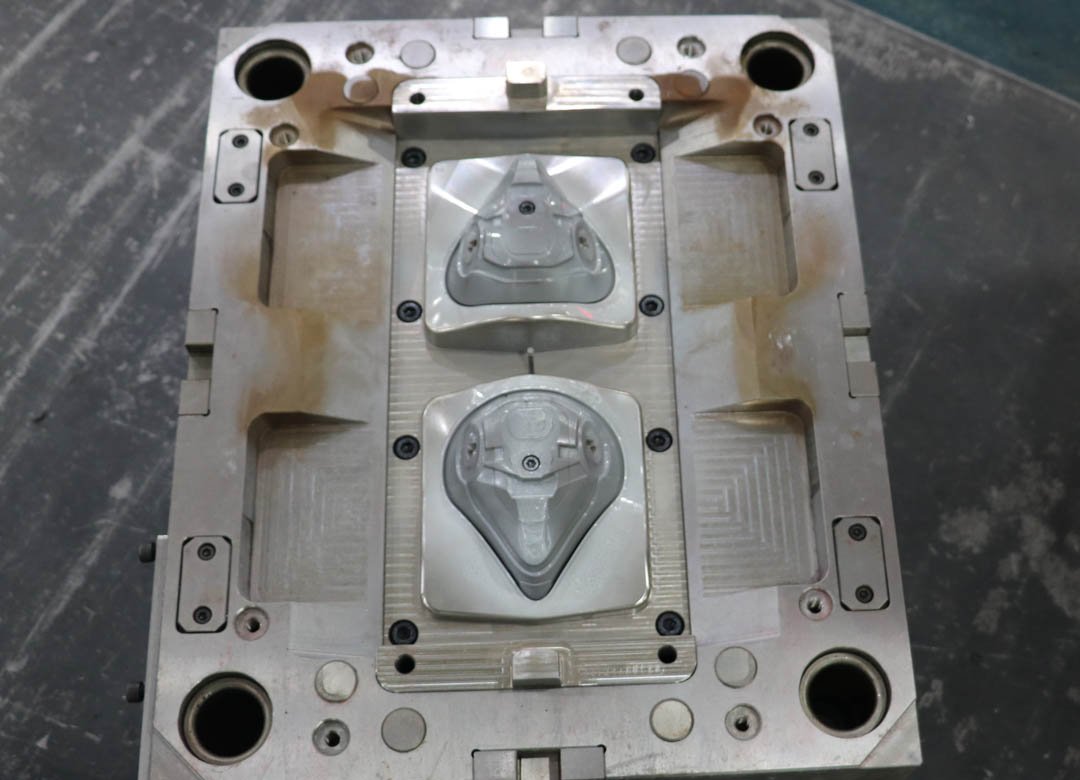
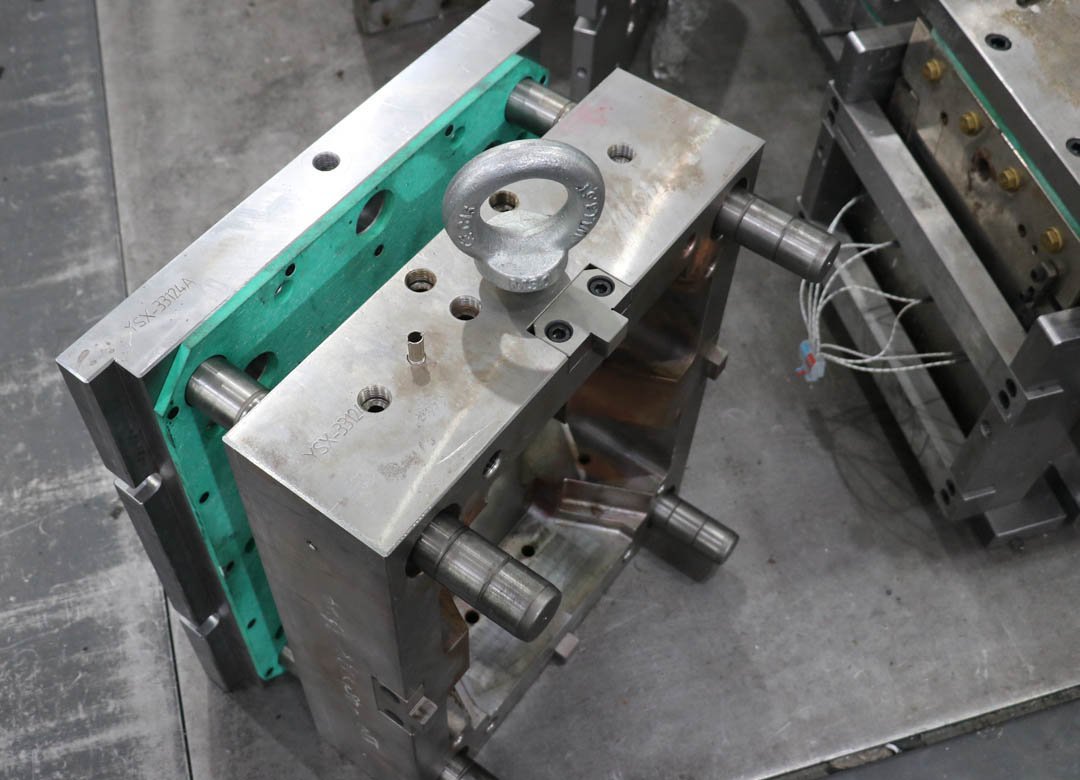
Why Medical Silicone Parts Flash So Easily
Q: Why does liquid silicone rubber flash more easily than many thermoplastics?
Liquid silicone rubber behaves almost like a low-viscosity liquid before curing. Material flows aggressively into micro gaps.
That sounds useful at first because silicone fills thin walls beautifully. However same behavior creates problems around parting lines.
If mold clamping pressure drops slightly material escapes.
If tooling alignment shifts a few microns material escapes again.
Temperature variation also matters more than people expect. Silicone viscosity changes rapidly during injection and curing cycles.
Medical programs usually involve very small sealing features too. Tiny catheter parts. Miniature diaphragms. Thin membrane valves. Narrow vent channels.
Those geometries magnify flash risk.
How 2-Shot Silicone Molding Adds More Complexity
Q: What makes medical Lsr 2 Shot Injection Molding harder than standard silicone molding?
Two-shot molding sounds straightforward during early design meetings.
Reality gets messy fast.
First shot may involve thermoplastic substrate. Second shot injects liquid silicone over selected surfaces. Bonding must remain stable while dimensions stay extremely tight.
Now imagine adding medical validation requirements on top.
Material compatibility becomes critical. Thermal expansion mismatch creates stress. Gate placement suddenly affects bonding strength. Venting locations influence flash formation.
And honestly many suppliers underestimate mold alignment challenges.
In high-cavitation production even microscopic mismatch between rotating platen positions can produce flash around overmolded edges.
That becomes especially dangerous on wearable medical devices because sealing surfaces contact skin or fluids directly.
Common Flash Failures During Medical Silicone Production
Q: Where do most production teams struggle?
Usually four places.
First issue involves poor venting design.
Air needs somewhere safe escape during injection. Without proper venting trapped gas compresses inside cavity. Pressure spikes force silicone into unintended gaps.
Second problem comes from mold wear.
Medical silicone production often runs huge volumes. Over time parting surfaces wear gradually. Flash risk increases slowly until scrap rates climb.
Third issue involves unstable material mixing ratios.
Liquid silicone rubber uses two-component chemistry. If ratio drifts curing behavior changes. Material flow changes too.
Fourth problem feels surprisingly common.
A lot of companies attempt medical work using tooling standards borrowed from consumer products. Medical tolerances rarely forgive that shortcut.
How xflsrmolding Approaches Flash-Free Medical Silicone Production
Q: So how does your team control flash during production?
Honestly flash prevention starts long before machine setup.
Our tooling engineers review sealing geometry during DFM stages first. We evaluate shutoff surfaces very carefully because poor shutoff design creates endless downstream instability.
Then we simulate material flow behavior.
Flow simulation helps identify pressure imbalance across cavities. Uneven filling often creates localized flash zones.
After tooling fabrication we inspect mold alignment repeatedly during assembly.
That part matters more than many people realize.
Medical Flash-Free LSR Mold programs often require sub-micron consistency around sealing features. Small platen deviation can ruin production stability later.
During molding we monitor injection pressure curves closely. Operators watch cavity balance trends instead of only final dimensions.
Because honestly bad process behavior usually appears before visible flash appears.
Cold Runner Systems and Needle Valve Control
Q: Does runner system selection affect flash control?
Absolutely.
Cold runner systems give much better control during medical liquid silicone rubber molding.
Material remains uncured inside runner network. That reduces waste and stabilizes viscosity conditions.
Needle valve systems help even more.
With valve gating we control injection timing for each cavity independently. That improves fill balance dramatically especially for multi-cavity medical parts.
Without precise gating silicone can race unevenly through cavity network. One cavity overpacks while another underfills.
Overpacked cavities flash first.
People often focus only on clamping force. Actual injection balance matters just as much.
Why Automation Helps Reduce Flash Variability
Q: How important does automation become during medical silicone production?
Very important once volumes scale upward.
Manual handling introduces variation everywhere.
Operators remove parts differently. Trimming consistency changes. Mold cleaning intervals shift between shifts.
Automation stabilizes process rhythm.
Robotic demolding also protects delicate sealing edges from damage during extraction. Human operators sometimes stretch soft silicone accidentally while removing parts.
That deformation creates inspection confusion later.
Automated production cells reduce those variables significantly.
For medical programs consistency beats speed almost every time.
Cleanroom Production and Flash Prevention
Q: Does cleanroom molding influence flash control too?
Indirectly yes.
Cleanroom environments improve process stability overall. Temperature stays more consistent. Airborne contamination drops. Mold surfaces remain cleaner.
Tiny contamination particles between shutoff surfaces can create flash channels.
People rarely discuss that.
But one microscopic contaminant trapped near parting line may create recurring silicone overflow across thousands of cycles.
Medical molding requires obsessive process discipline honestly.
Not glamorous work. Mostly consistency management.
Mold Design Strategies That Reduce Silicone Flash
Q: What tooling strategies work best for flash prevention?
Several things matter repeatedly.
Precise shutoff geometry comes first.
Then vent depth control. Venting must release trapped gas without allowing silicone leakage. Finding that balance takes experience.
Surface finish matters too.
Highly polished shutoff regions improve sealing consistency between mold halves. Poor surface quality creates micro leakage paths.
Another overlooked factor involves cavity pressure distribution.
If one area experiences excessive localized pressure silicone hunts for escape routes immediately.
Balanced gating reduces that risk.
Again tooling alone cannot solve everything though. Process discipline must support tooling quality.
Conclusion
Medical Lsr 2 Shot Injection Molding looks deceptively simple from outside. Underneath production floor reality sits a far more demanding process involving material chemistry, thermal control, venting behavior, mold precision, automation, and validation discipline.
Flash rarely comes from one isolated mistake.
Usually several small process weaknesses stack together until silicone finds an escape path.
That explains why experienced medical molding teams focus heavily on prevention systems instead of aggressive secondary trimming.
At xflsrmolding, flash control depends on coordinated engineering across tooling, cleanroom production, process monitoring, material management, and automated manufacturing workflows.
Because in medical silicone manufacturing consistency matters far more than appearances.